

Ready-made solutions
Coating systems
Proven combinations of Teping® products from primer to topcoat. Each system comes with its layer build-up, consumption per square metre, substrate requirements and service conditions.
- ready-made systems
- 23
- coating types
- 5
- Teping® products inside
- 24
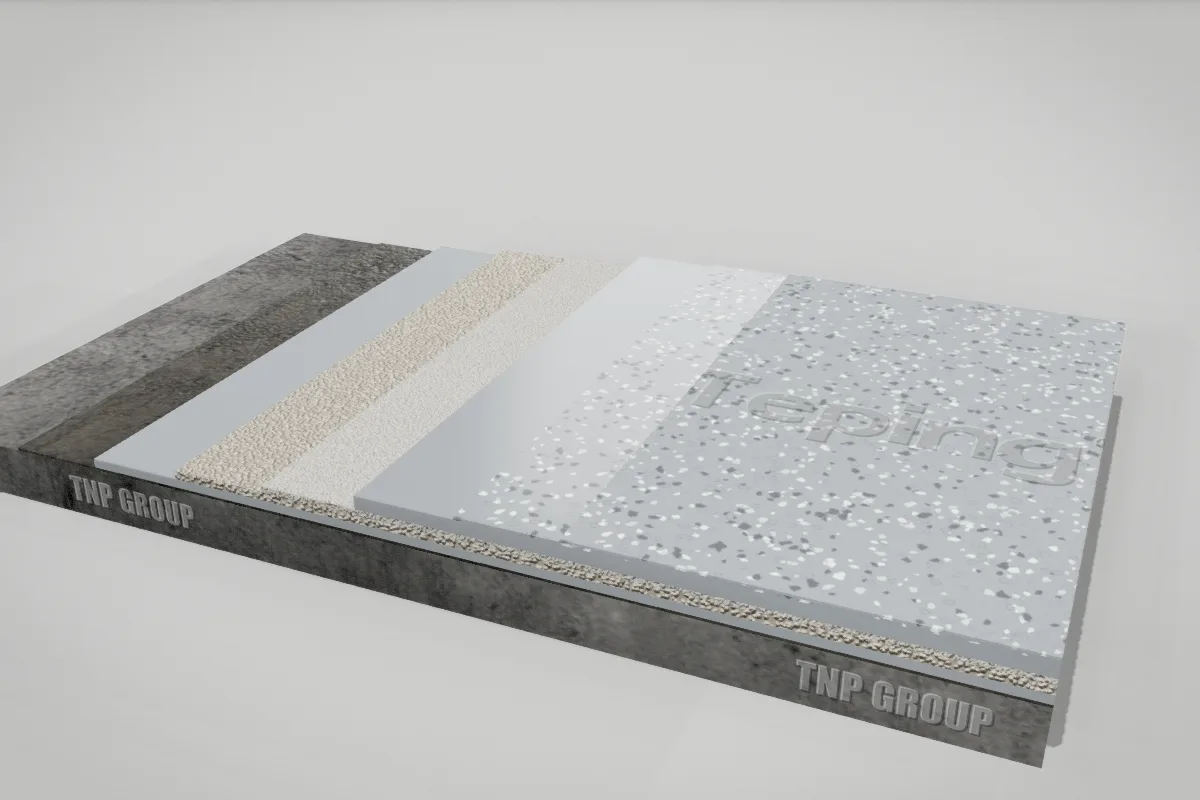 2.4 Polyurethane floor with flakes and varnish, 3 mm
Selection
Find the system for your site
Pick the type of site and the task: only matching systems remain. Each one opens with its layer build-up and consumption.
Site
Task
Epoxy self-levelling floors
Self-levelling epoxy floors 1.5–5 mm thick for sites where wear and chemical resistance matter most. For indoor use at a stable temperature up to +50…+60 °C.
Systems: 5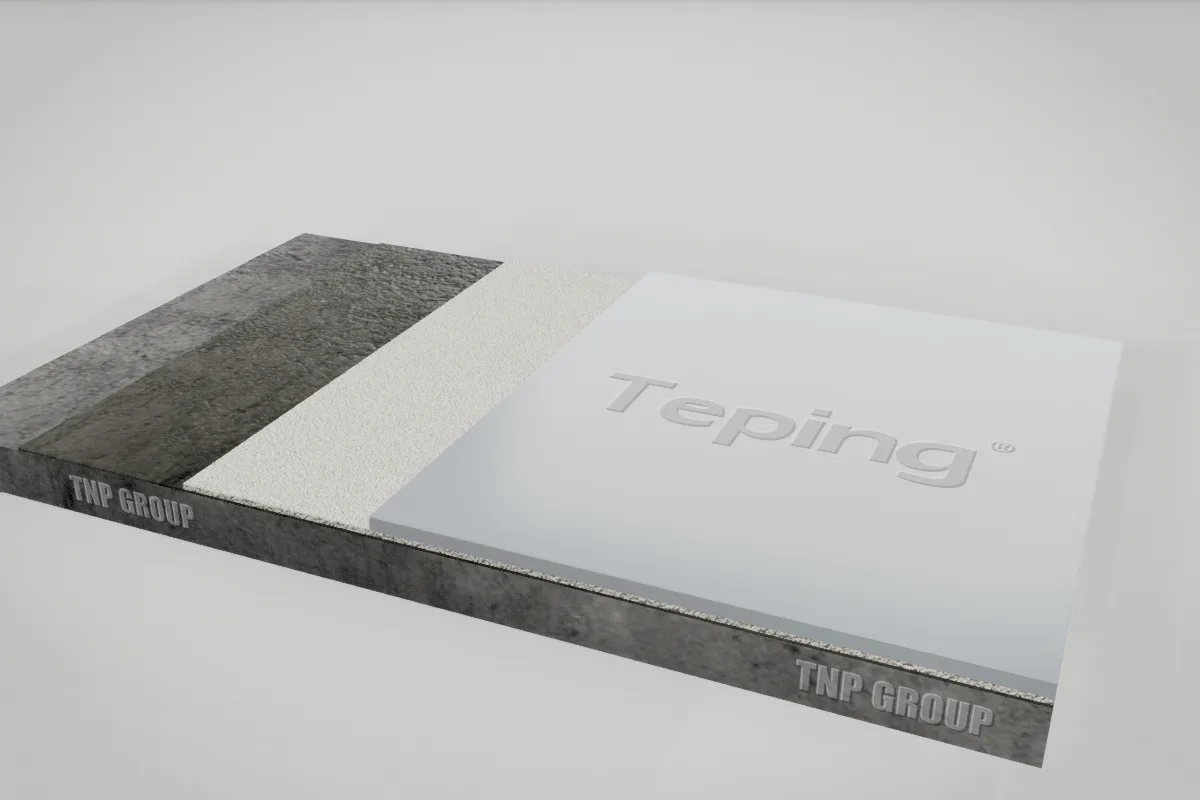 1.1Smooth epoxy self-levelling floor, 2 mm
A seamless epoxy coating that protects concrete from abrasion, stops dusting and gives the substrate a water-repellent, decorative finish.
2 mmLayers: 3−20 to +60 °COpen the system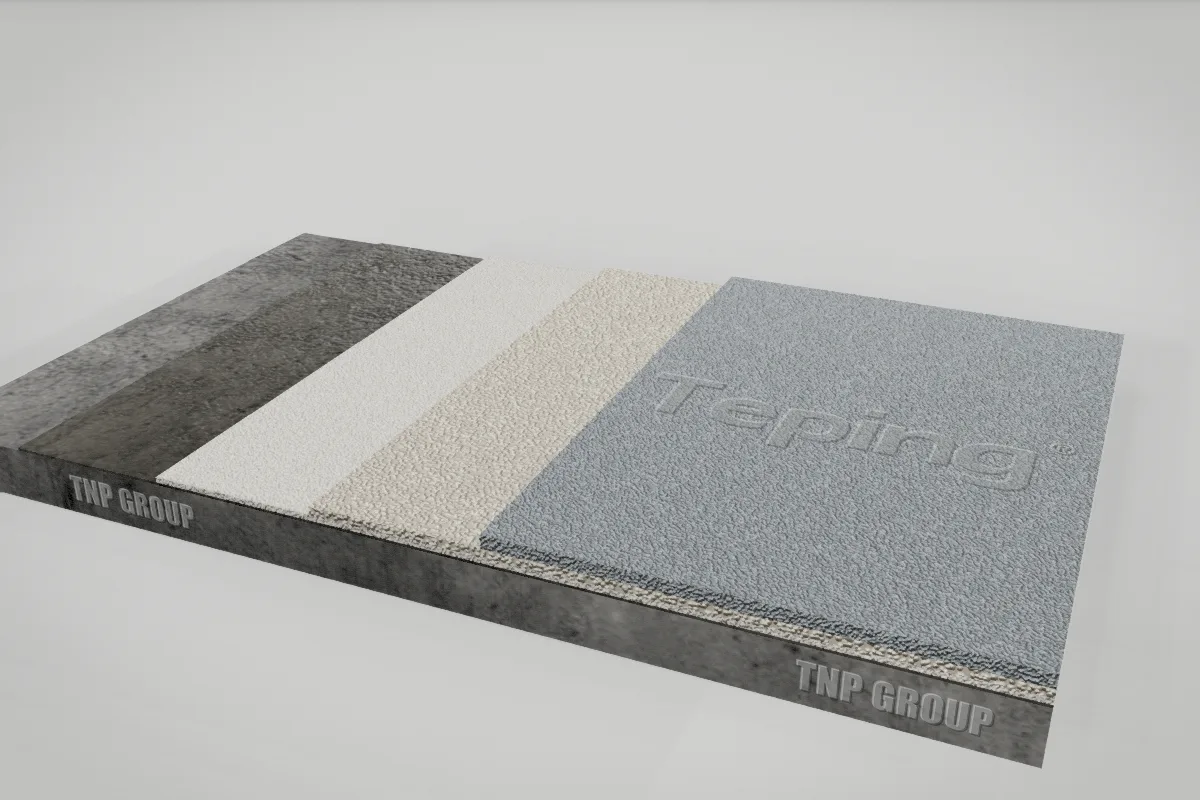 1.2Anti-slip epoxy floor, 2–2.5 mm
An epoxy coating with a quartz sand broadcast: a rough surface that resists fuels, oils and solutions of salts, acids and alkalis.
2–2.5 mmLayers: 4−20 to +60 °COpen the system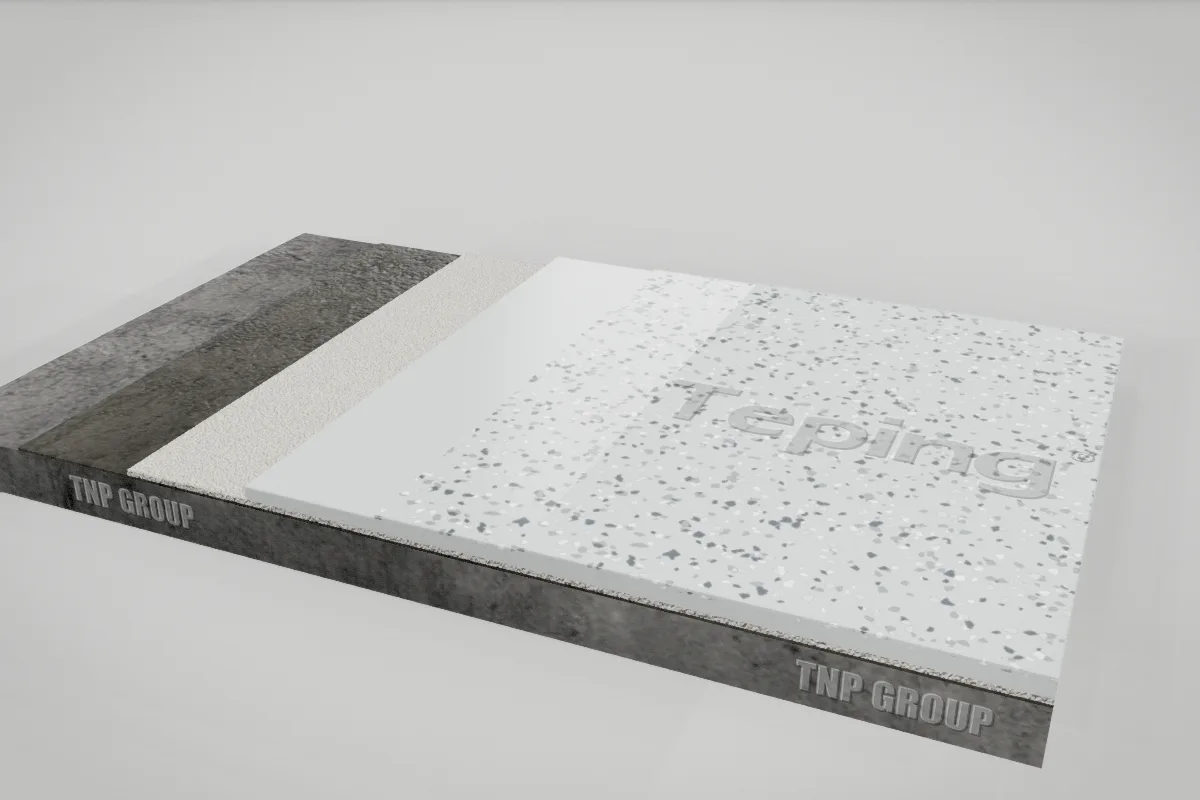 1.3Epoxy floor with flakes and varnish, 2 mm
A decorative self-levelling floor with colour flakes under a polyurethane varnish that hides dirt and scratches.
2 mmLayers: 5−20 to +60 °COpen the system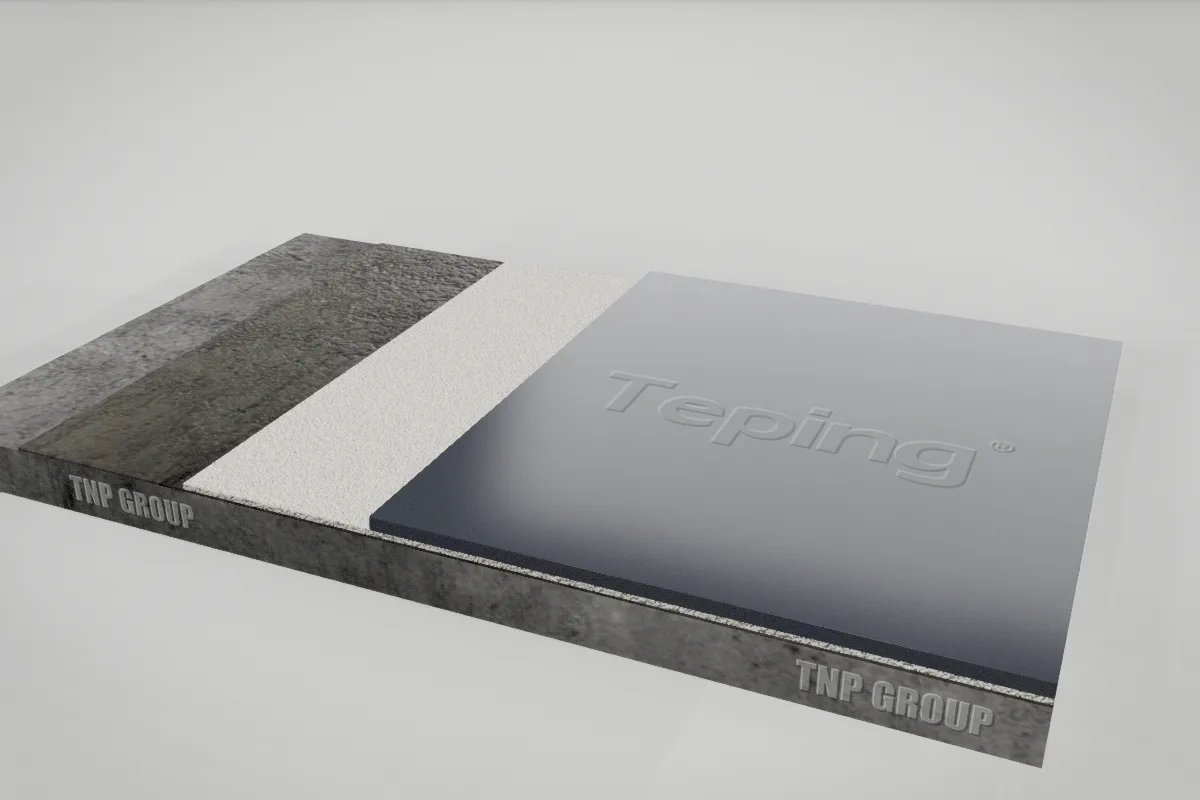 1.4Acid-resistant epoxy self-levelling floor, 2 mm
A chemical-resistant epoxy coating for areas exposed to surfactants, acids, alkalis and solvents.
2 mmLayers: 3−20 to +60 °COpen the system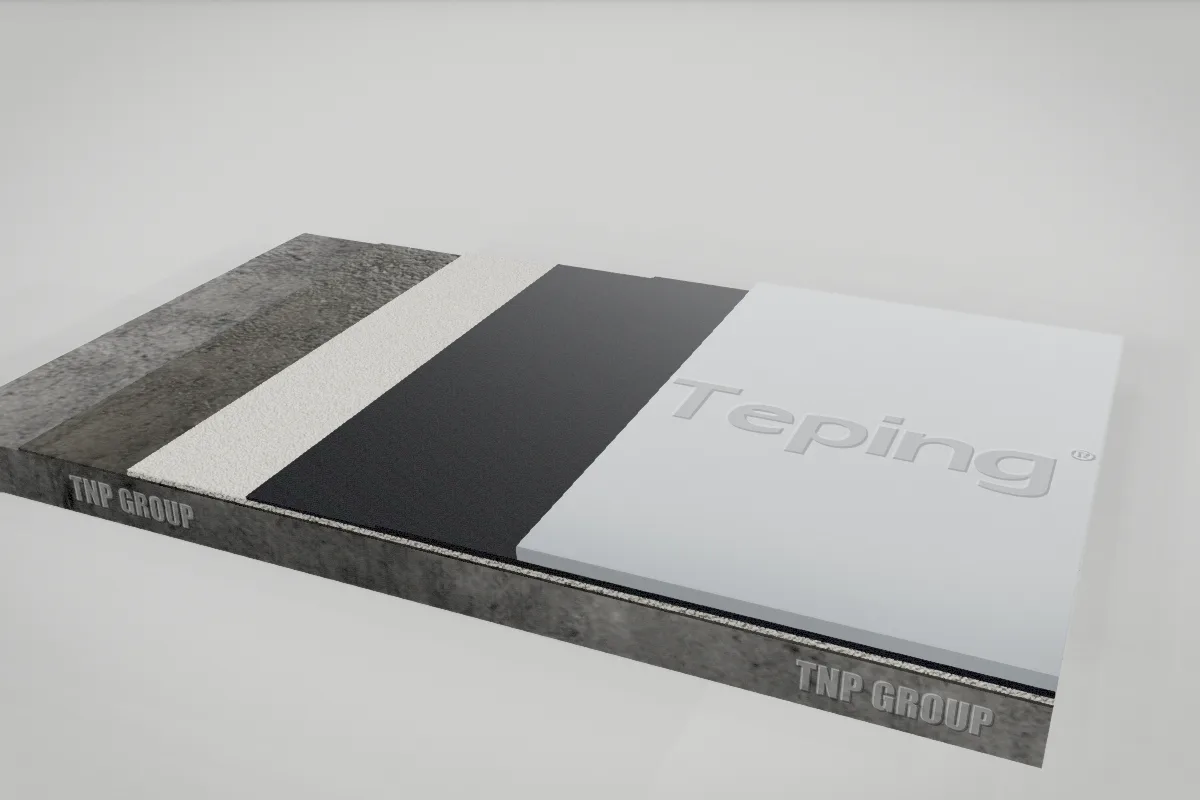 1.5Antistatic epoxy self-levelling floor, 2 mm
A conductive epoxy coating with an earthing circuit that dissipates static electricity.
2 mmLayers: 5−20 to +60 °COpen the systemPolyurethane self-levelling floors
Elastic, frost-resistant coatings that take vibration, impact and temperature swings. Suited to substrates prone to cracking and to cold stores.
Systems: 4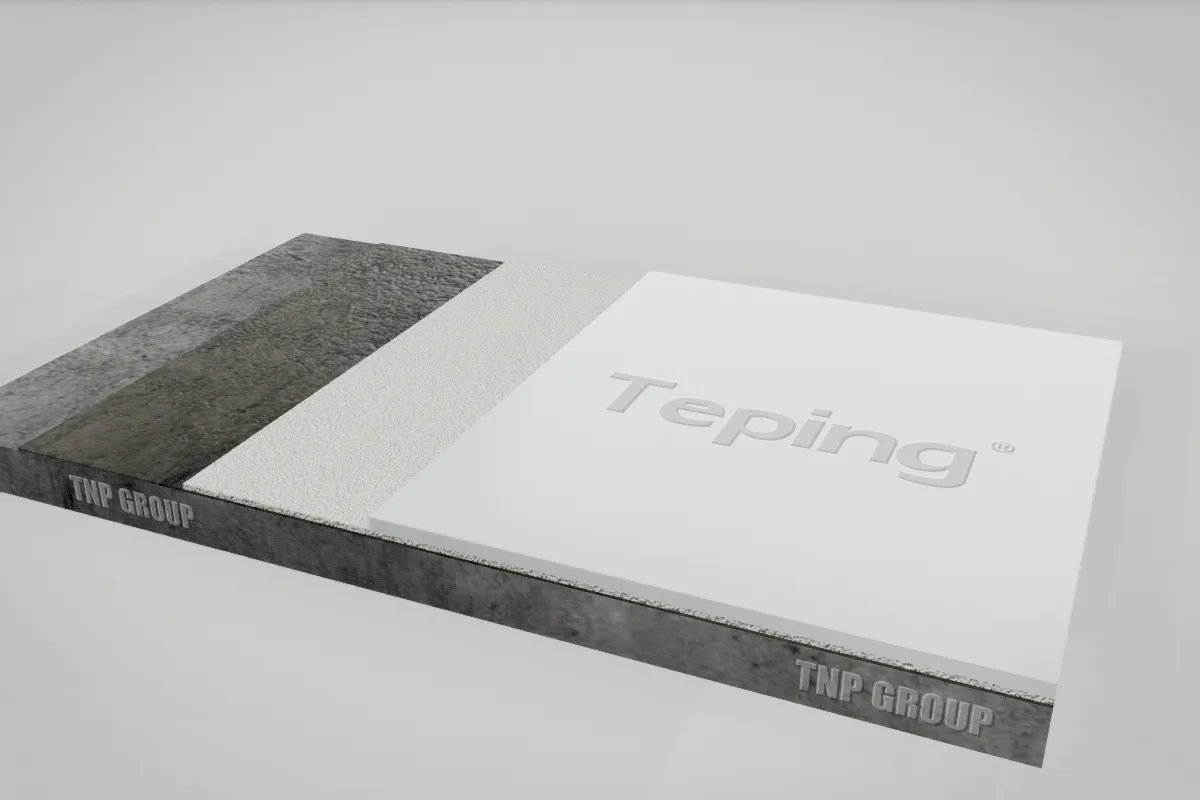 2.1Smooth polyurethane self-levelling floor, 2 mm
A tough-elastic polyurethane coating for sites with unstable substrates, vibration and impact loads.
2 mmLayers: 3−30 to +50 °COpen the system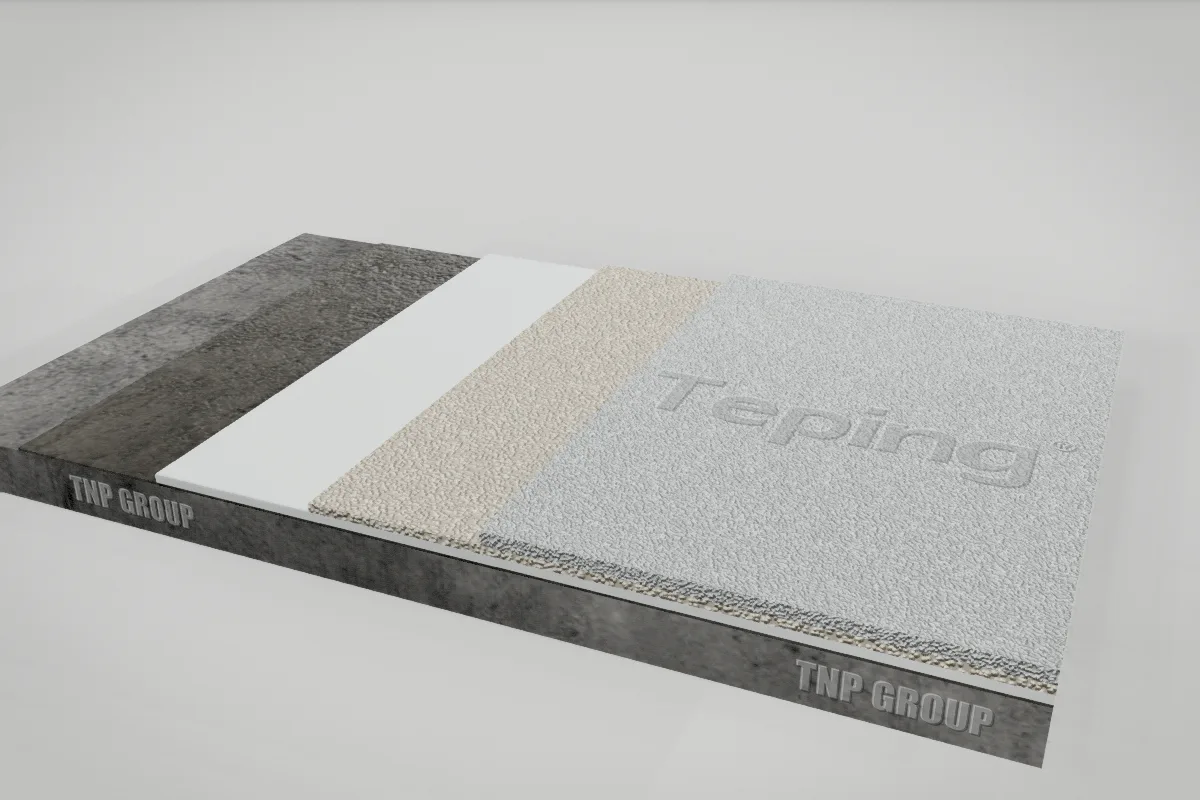 2.2Anti-slip polyurethane floor, 2 mm
A polyurethane coating with a quartz broadcast that takes heavy loads across a wide temperature range.
2 mmLayers: 4−30 to +50 °COpen the system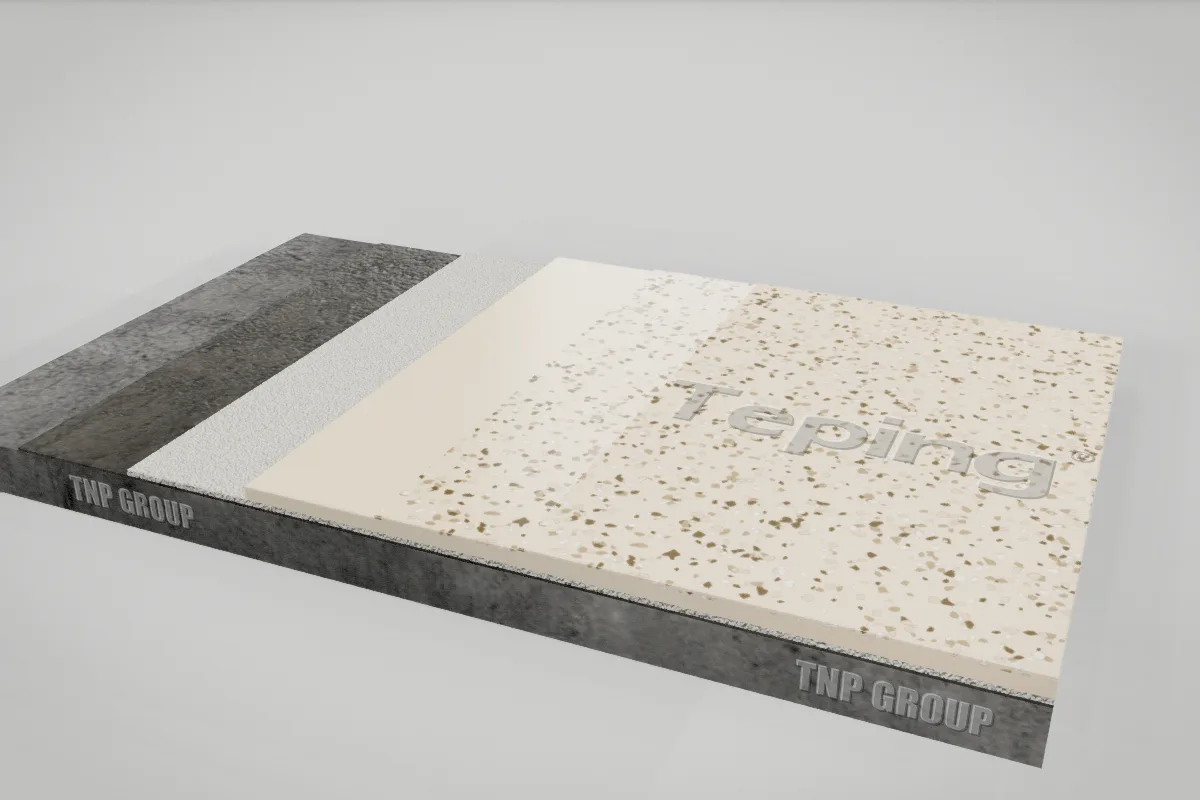 2.3Polyurethane floor with flakes and varnish, 2 mm
An elastic decorative floor with flakes under varnish for busy public spaces.
2 mmLayers: 5−20 to +60 °COpen the system2.4Polyurethane floor with flakes and varnish, 3 mmA quartz-reinforced 3 mm polyurethane floor with flakes for a longer service life under heavy traffic.
3 mmLayers: 7−30 to +50 °COpen the systemFloor paints and sealers
A cost-effective alternative to self-levelling floors, from a clear sealer to quartz-reinforced coatings 1.5–2 mm thick. Easy to apply and easy to repair.
Systems: 8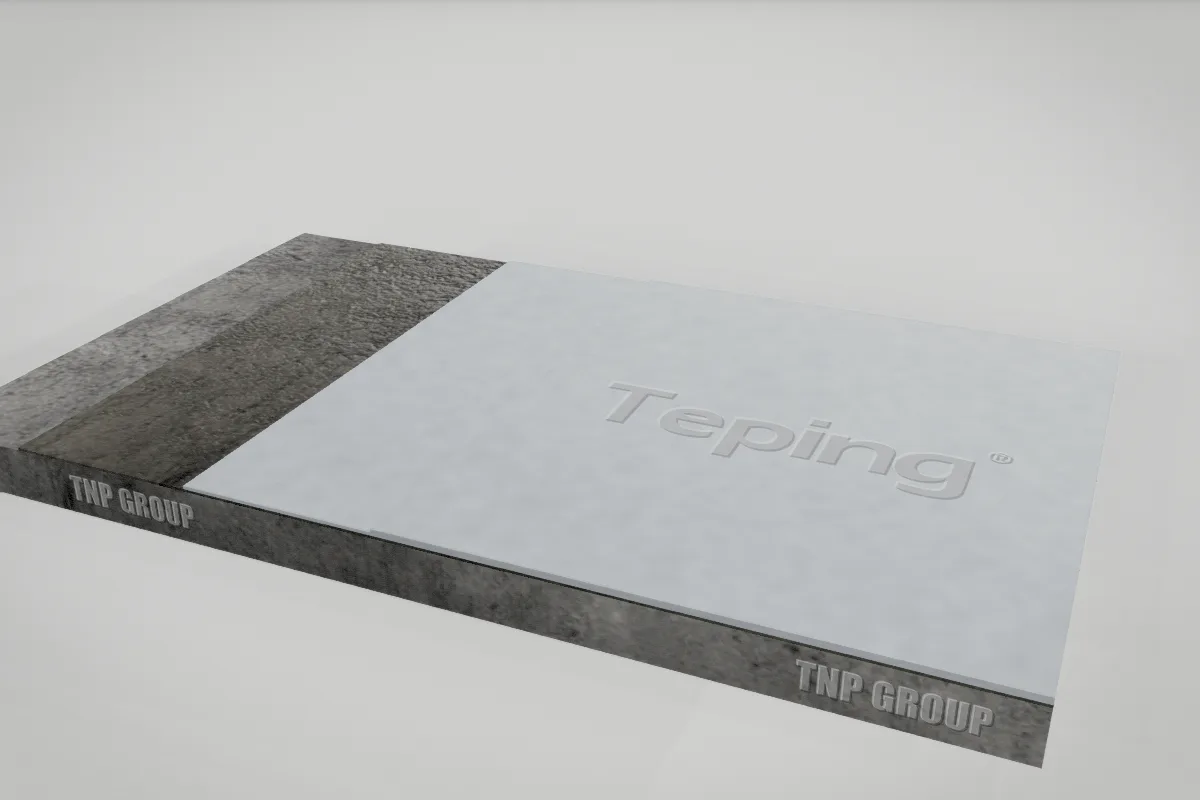 3.1Three-coat epoxy floor paint
A simple, reliable coating up to 300 µm thick that dustproofs and hardens the substrate and makes it chemical- and water-resistant.
up to 0.3 mmLayers: 3−20 to +60 °COpen the system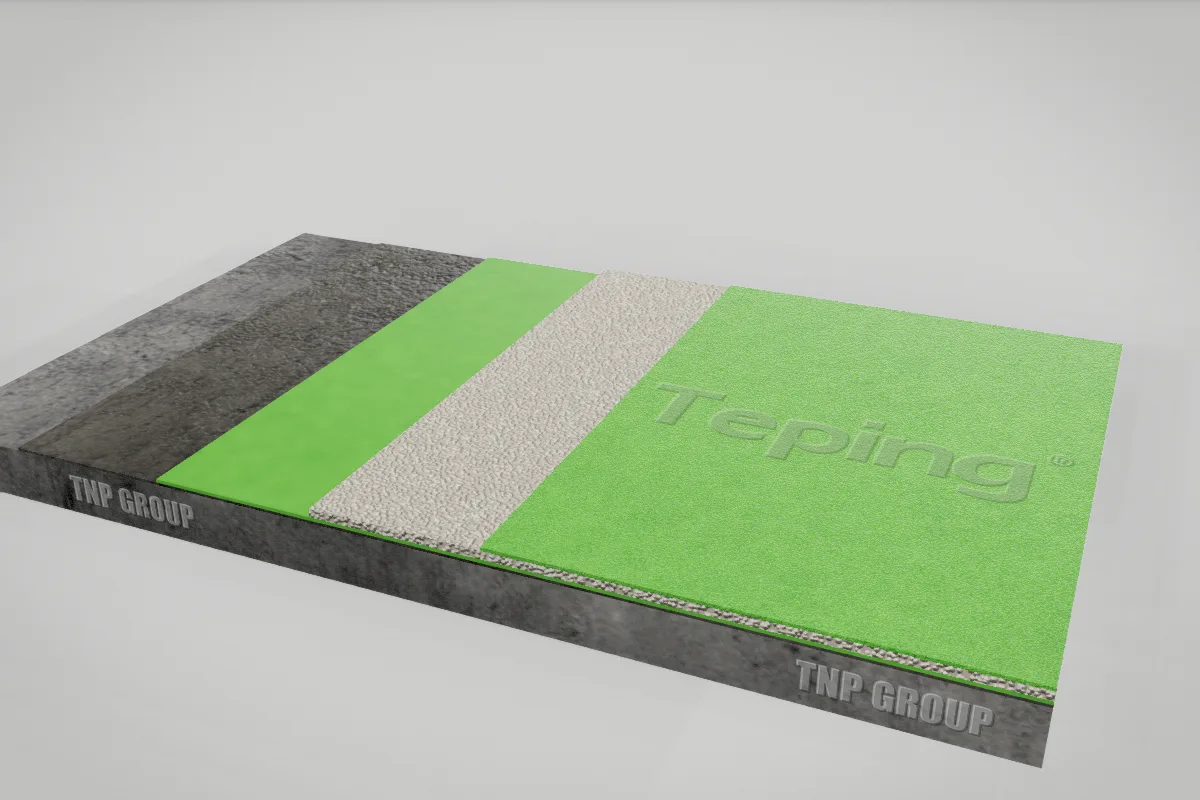 3.2Anti-slip epoxy floor paint
A paint system reinforced with quartz sand that hides minor substrate defects and takes vehicle traffic.
thin coatLayers: 4−20 to +60 °COpen the system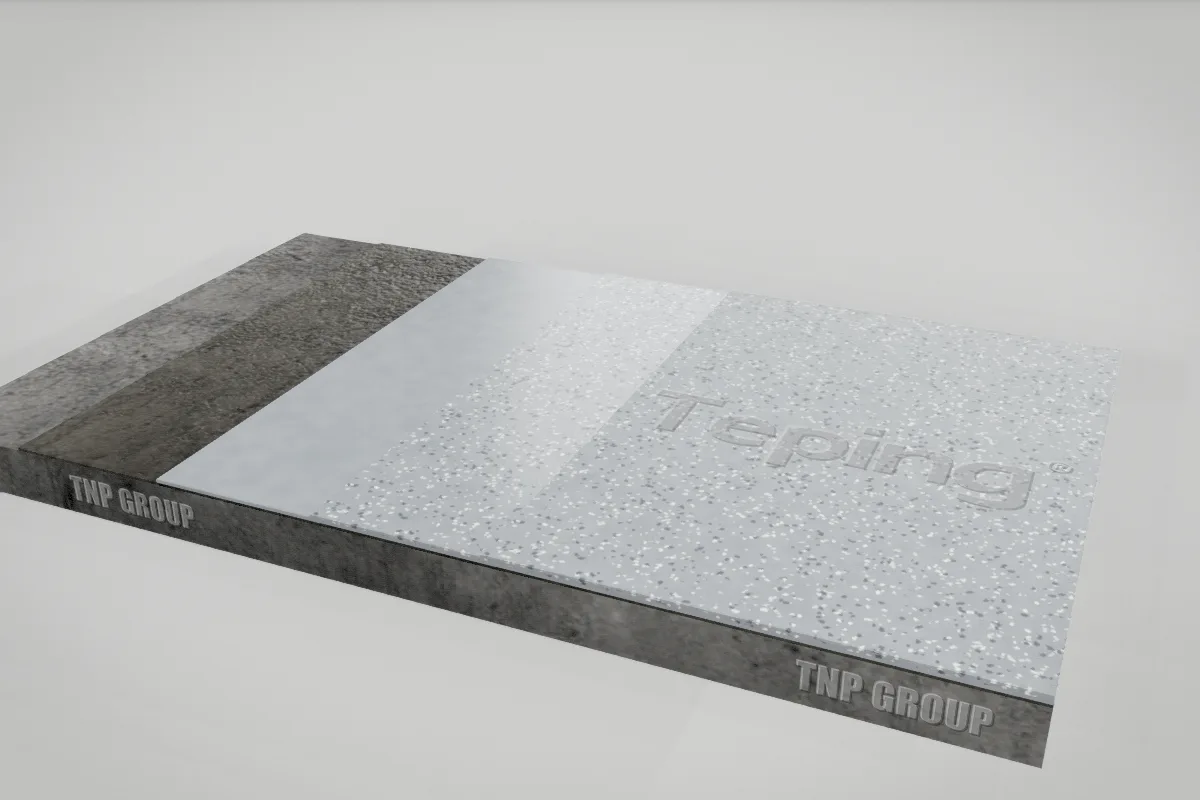 3.3Epoxy paint with flakes and varnish
A quick decorative option: paint, flakes and a protective varnish with a short installation time.
thin coatLayers: 4−20 to +60 °COpen the system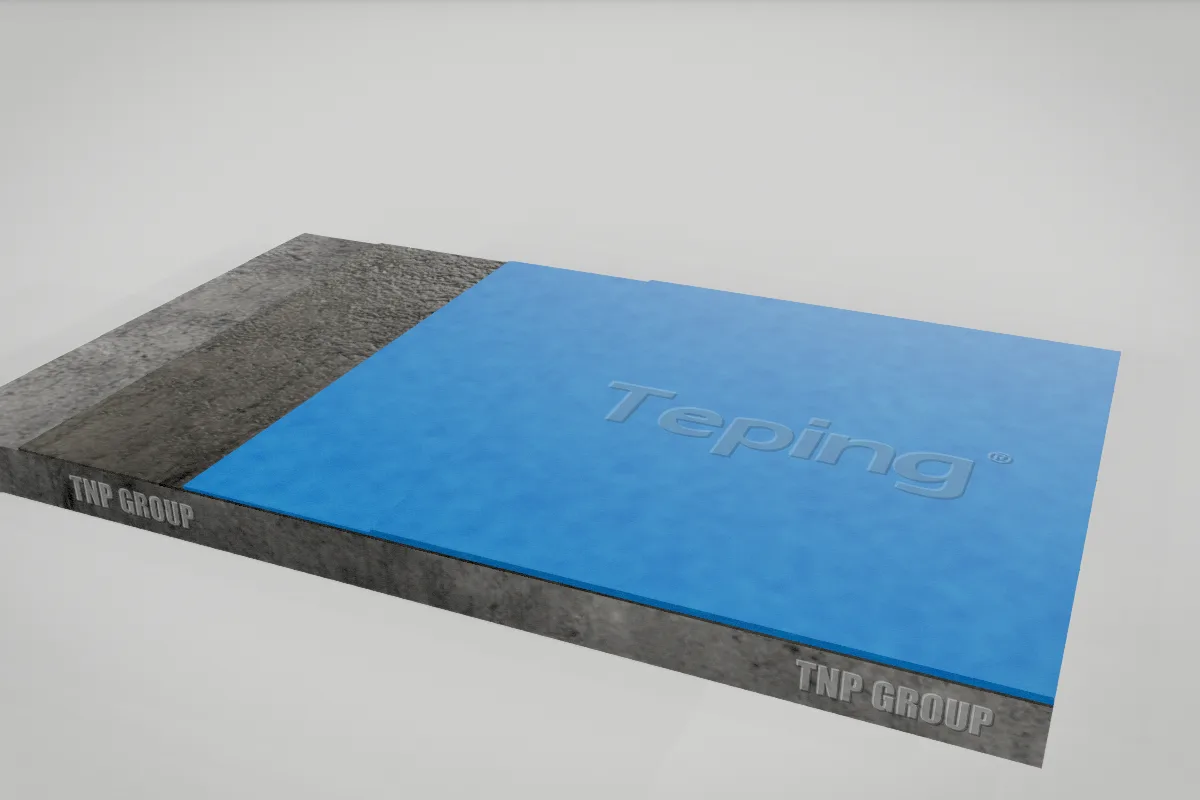 3.4Three-coat polyurethane floor paint
Polyurethane enamel over an epoxy or polyurethane primer, up to 250 µm thick.
up to 0.25 mmLayers: 3−30 to +60 °COpen the system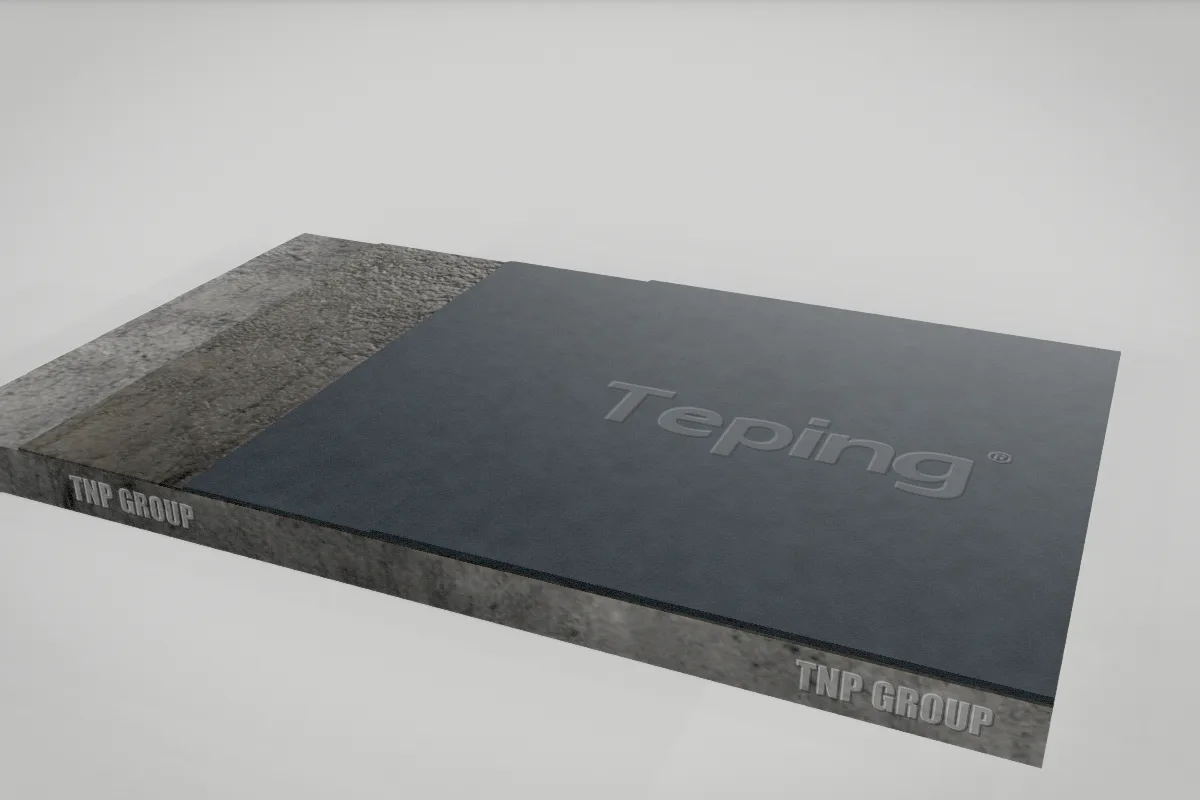 3.5Three-coat one-component polyurethane coating
A fast-drying system: three coats in one day and foot traffic from the second day.
thin coatLayers: 3−30 to +60 °COpen the system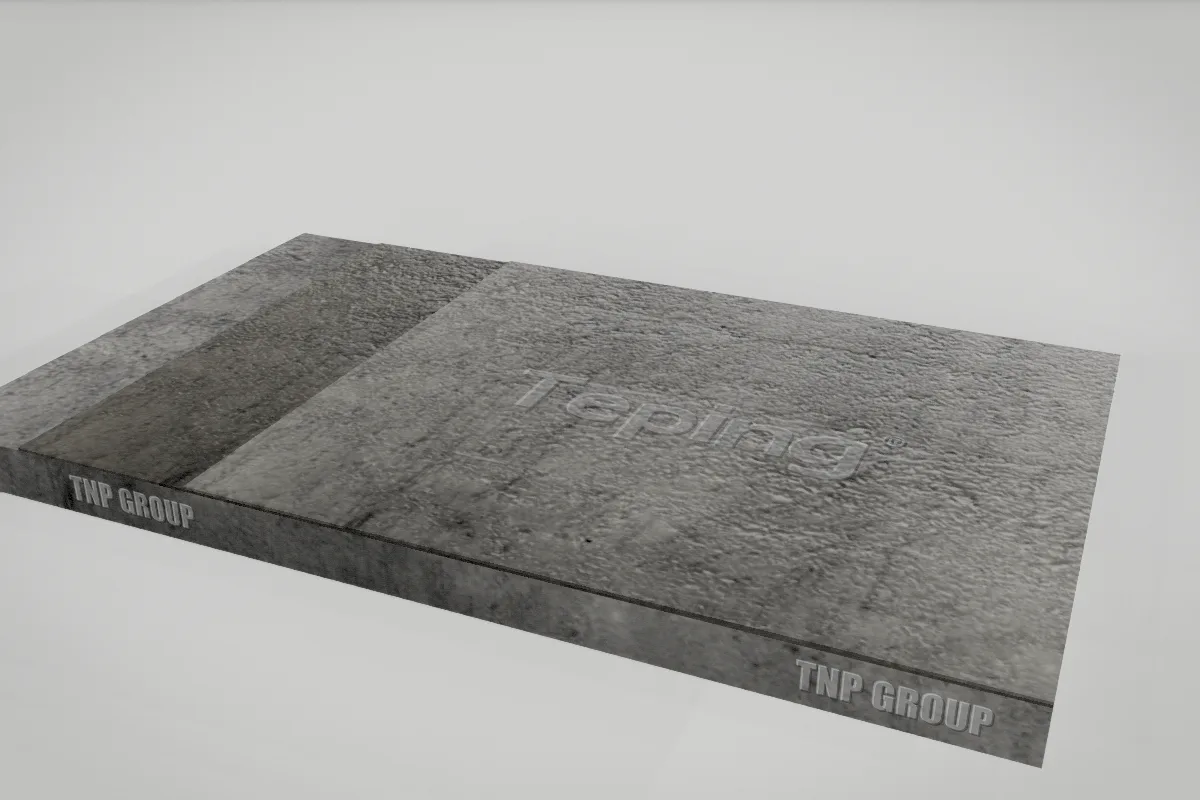 3.6Two-coat epoxy sealer
A clear epoxy primer penetrates deep to harden concrete and improve its wear and chemical resistance.
thin coatLayers: 2−30 to +60 °COpen the system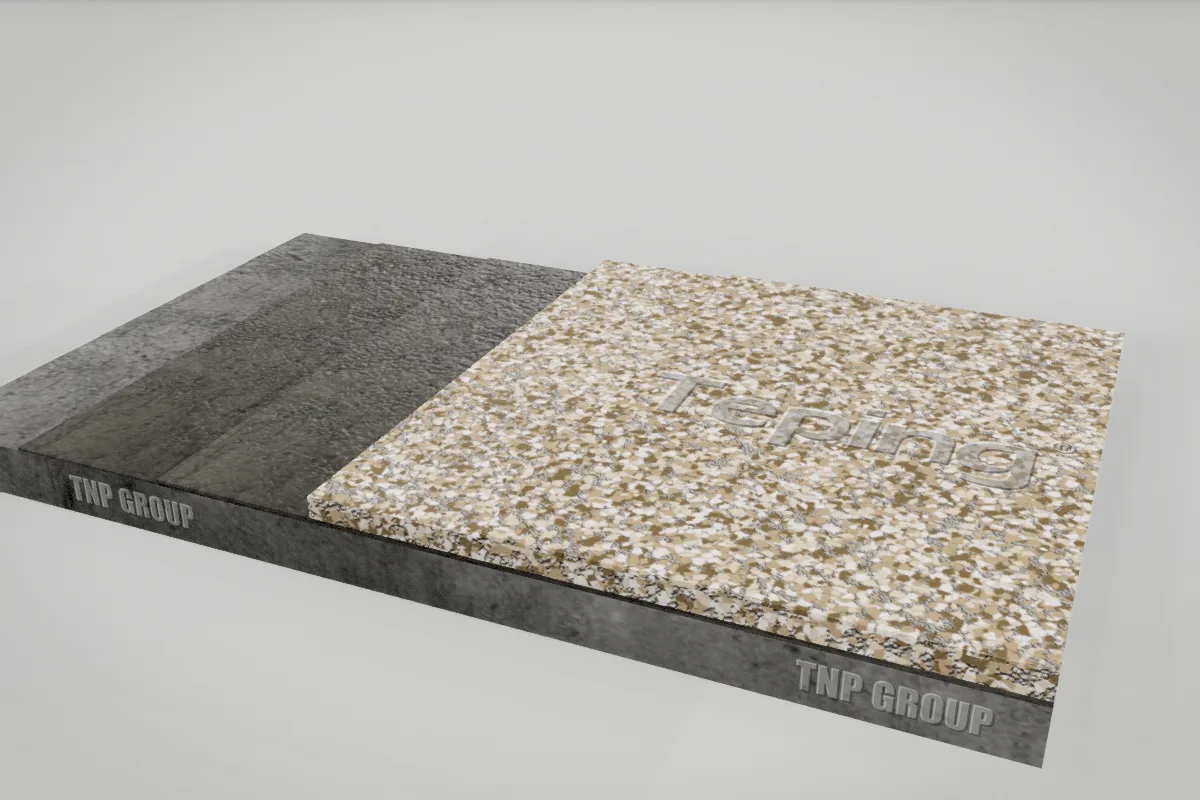 3.7Textured coloured quartz coating, 4–10 mm
Coloured quartz sand in an epoxy binder under a clear topcoat: a slip-resistant texture for indoor and outdoor use.
4–10 mmLayers: 4−30 to +60 °COpen the system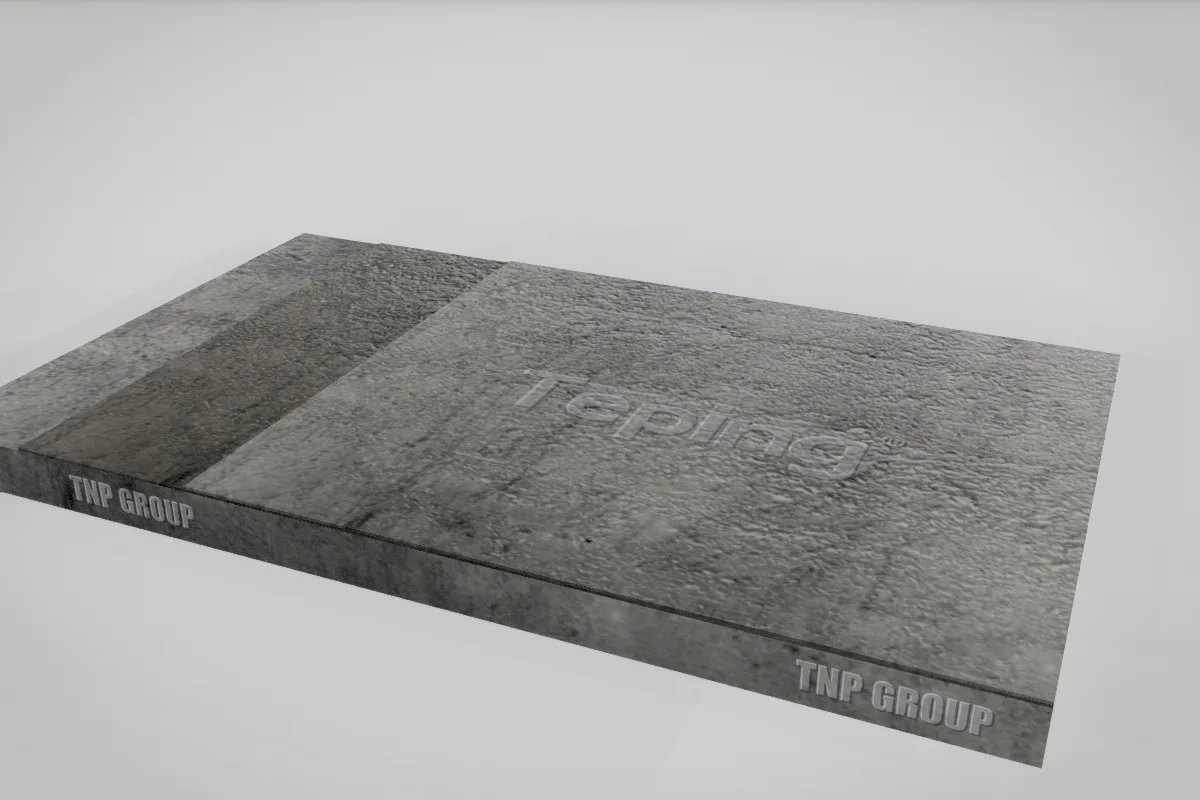 3.8Polyurethane sealer
A one-component clear sealer that dustproofs concrete and takes foot traffic after 8 hours.
thin coatLayers: 2−30 to +70 °COpen the systemPolyurethane-cement floors
Three-component heat- and chemical-resistant coatings: steam cleaning, acids and alkalis, adhesion to damp substrates. The best choice for food plants and car parks.
Systems: 2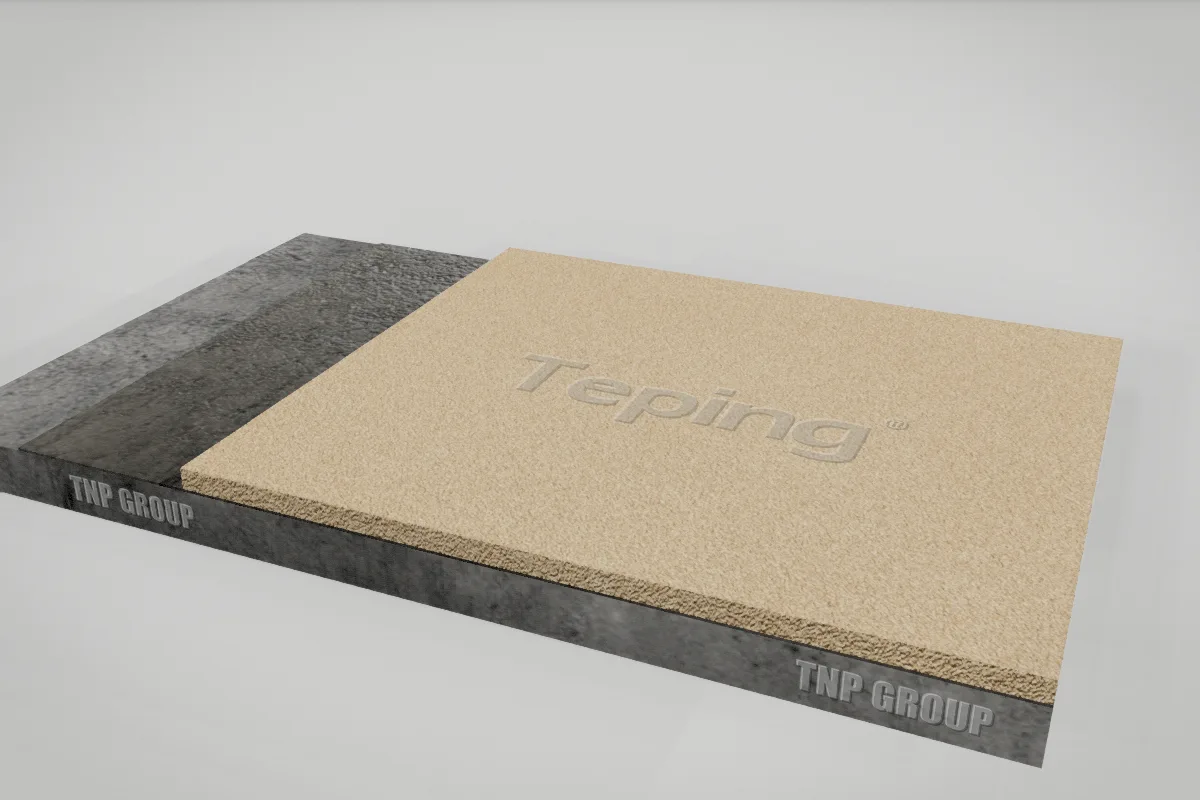 4.1Self-levelling polyurethane-cement floor, 4–6 mm
A heat- and chemical-resistant coating with a smooth matt surface that takes steam cleaning, acids and alkalis.
4–6 mmLayers: 2−40 to +80 °COpen the system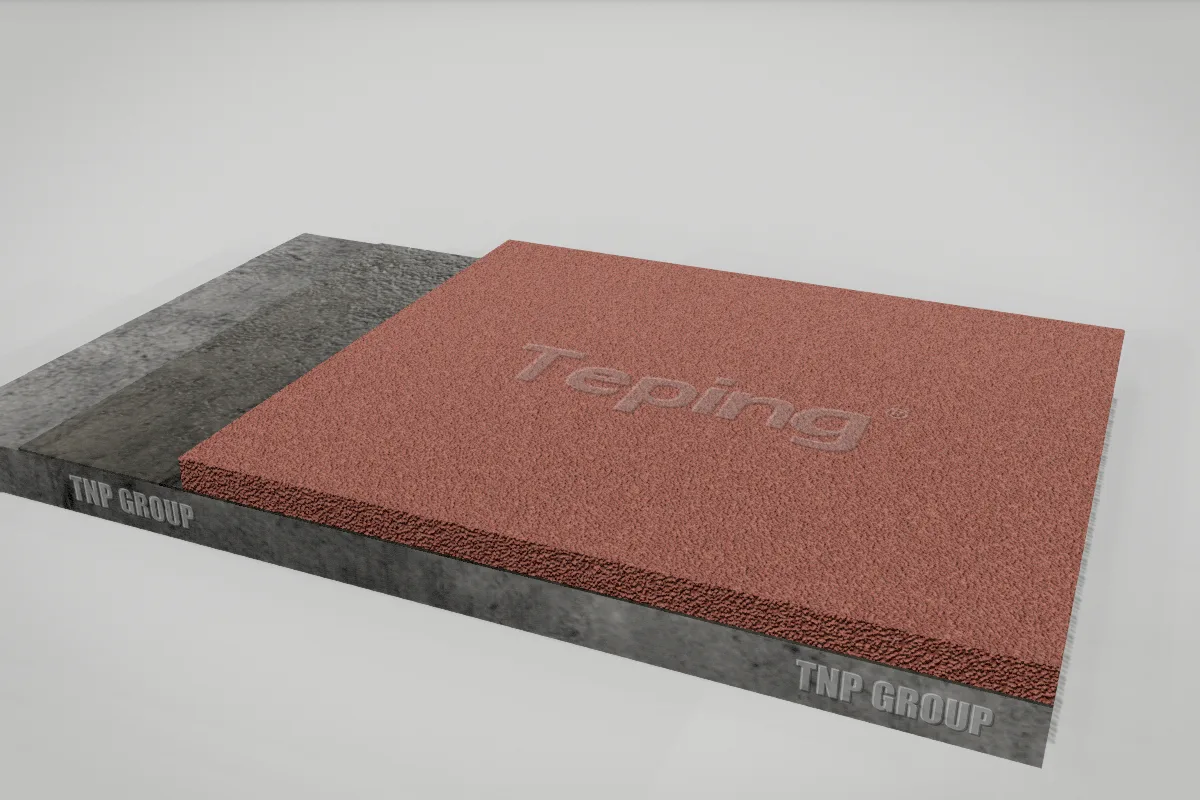 4.2Heavy-duty polyurethane-cement floor, 6–10 mm
The toughest system in the album: takes heat, steam cleaning and heavy vehicles.
6–10 mmLayers: 2−30 to +80 °COpen the systemSports and safety surfaces
Rubber crumb and EPDM granule surfaces on a polyurethane binder for outdoor and indoor use. Unaffected by frost, rain and sun, and safe for people.
Systems: 4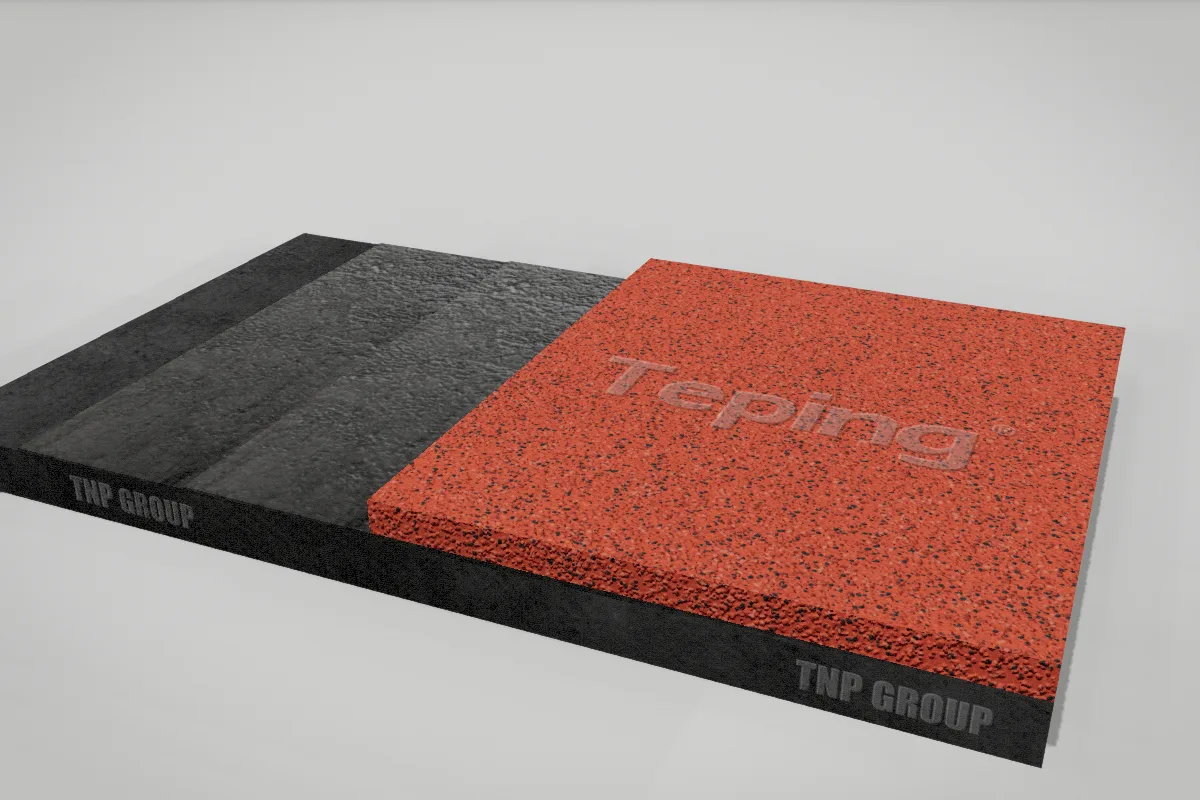 5.1Teping Sport Classic safety surface
A seamless surface of coloured rubber crumb on a polyurethane binder for sports grounds and playgrounds.
from 10 mmLayers: 3−30 to +60 °COpen the system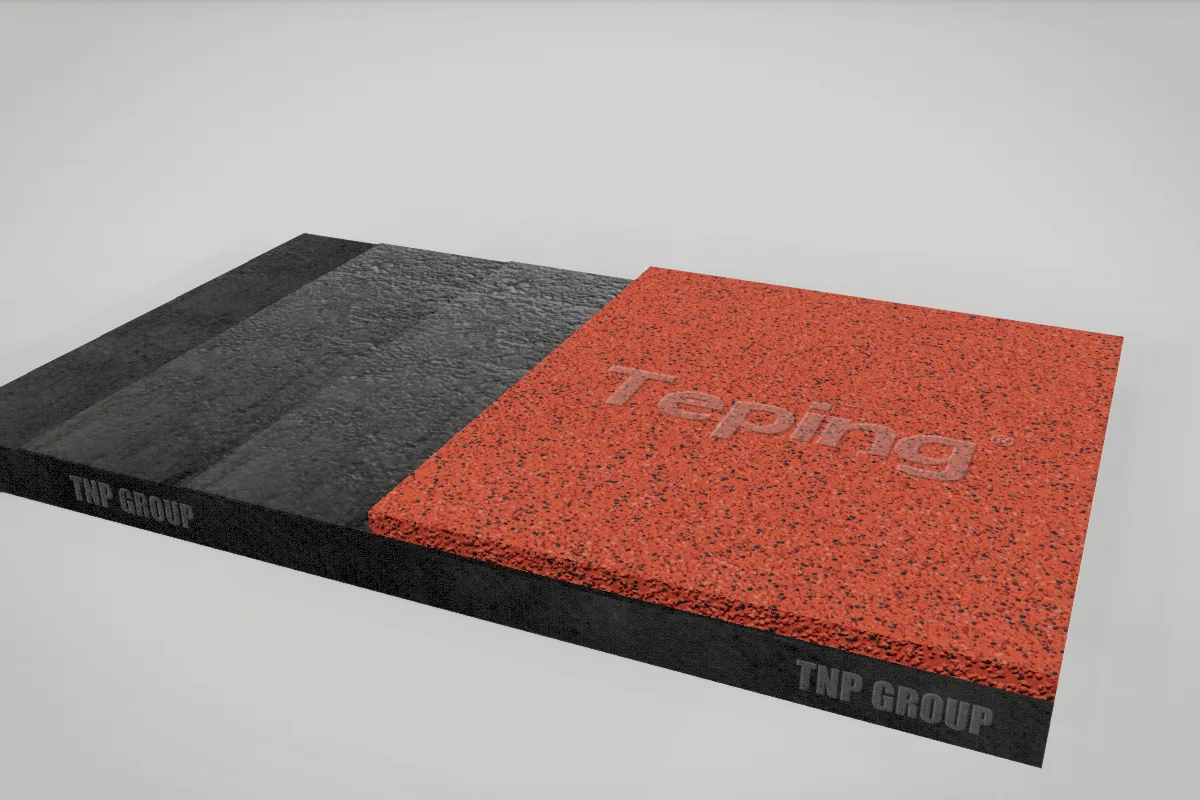 5.2Teping Sport EPDM safety surface
A bright seamless surface of EPDM granules: the whole granule is coloured, so the colour lasts longer than pigmented crumb.
from 10 mmLayers: 3−30 to +60 °COpen the system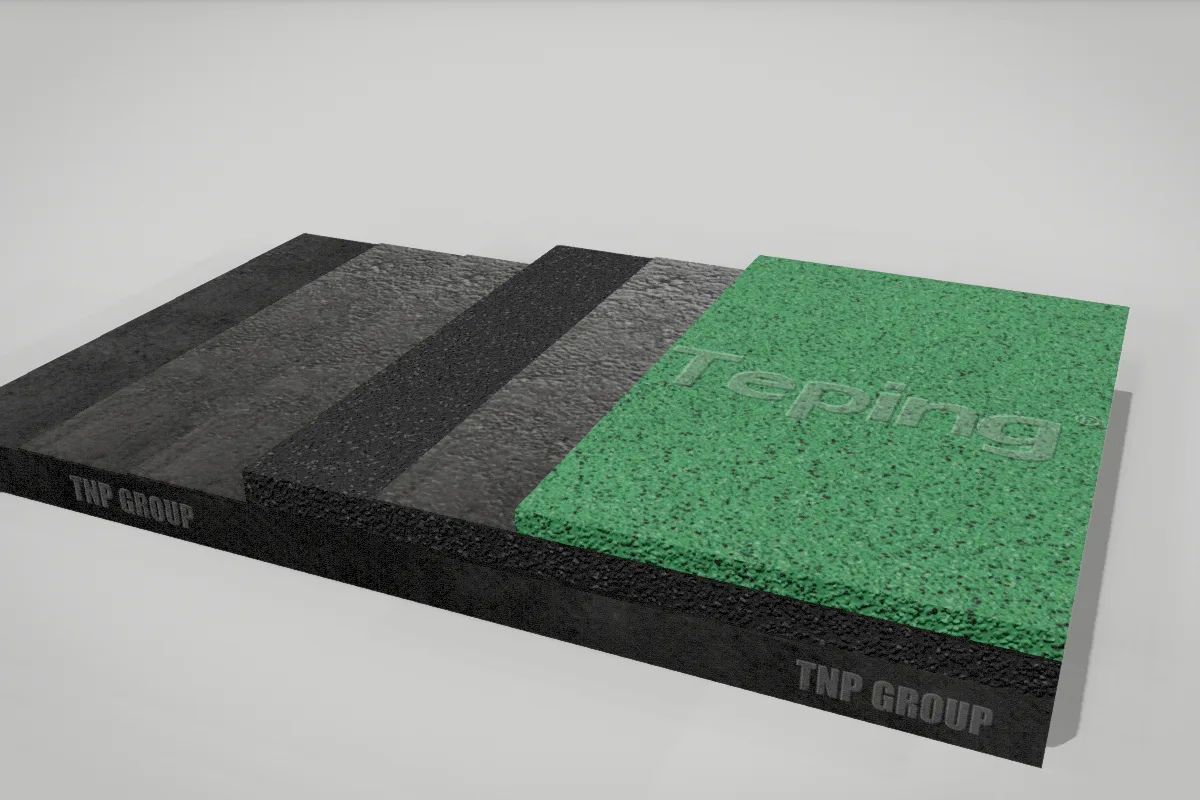 5.3Teping Sport Combi safety surface
A two-layer surface: a shock-absorbing base of black rubber crumb and a wearing layer of coloured EPDM.
12–20 mmLayers: 5−30 to +60 °COpen the system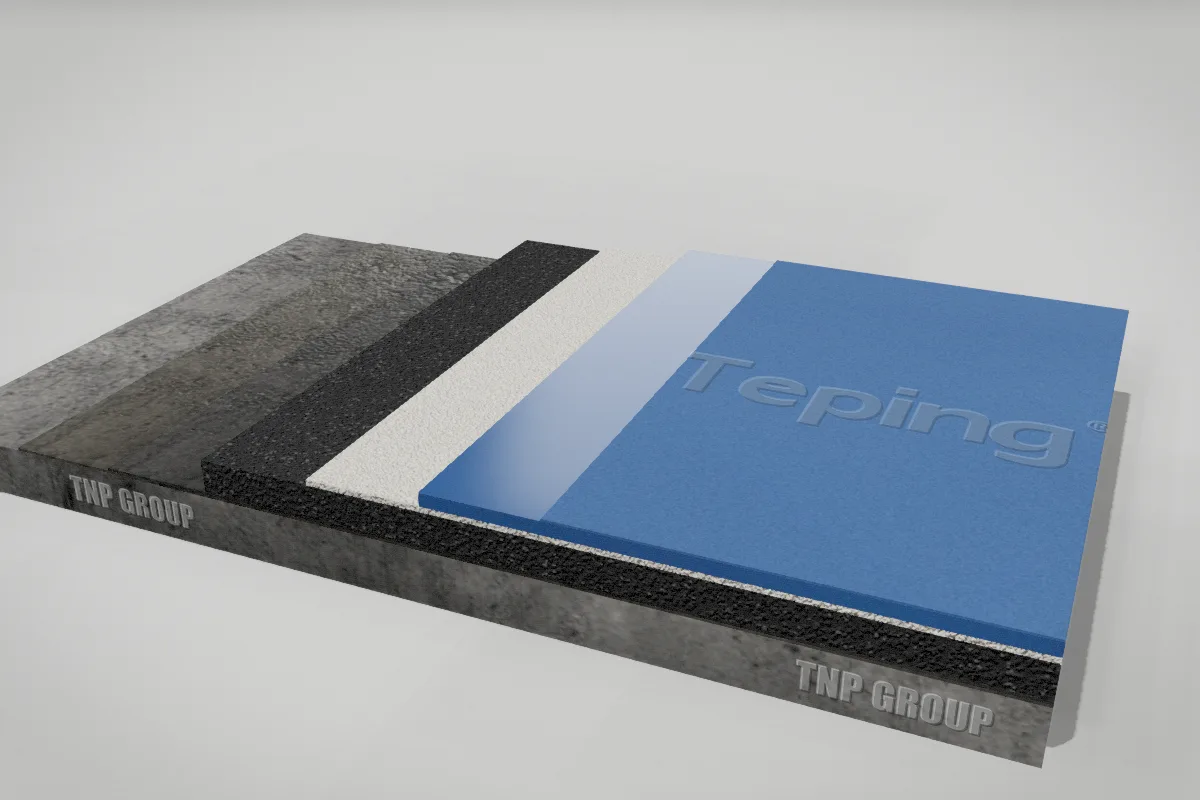 5.4Teping Sport PU combined surface
A rubber roll underlay under a tough-elastic polyurethane self-levelling floor: a seamless sports surface for halls.
thin coatLayers: 6−20 to +60 °COpen the systemThe album has no system for this combination. Clear one of the filters or describe the task to us and we will suggest a solution.
Thickness
From sealer to 20 mm
Thickness sets load resistance, service life and budget. All systems on one scale.
Before you choose
Good to know
- 01
Substrate
Concrete at least 28 days old, compressive strength from 20 MPa, moisture up to 4% for epoxy and polyurethane systems. The surface must be sound and clean, free of laitance, oil and old coatings.
- 02
Consumption
Figures are indicative per m². Primer consumption depends on how absorbent the substrate is; the total depends on evenness and the quartz sand grade.
- 03
Colour and texture
Most systems are tinted to the RAL K7 Classic chart. Gloss, matt or rough finishes come from the layer build-up and the topcoat varnish.
- 04
Loads
Loads follow the classification of floor exposure intensity, from light foot traffic to vehicles on metal wheels.
Based on the TNP Group technical solutions album (2025 edition). Consumption and properties are indicative; check the product technical data sheets before design.
We will calculate the system for your site
Send us the area, substrate type and service conditions. A TNP technologist will confirm the build-up, quantities and delivery times.