

04 / 06 · Industry
Car parks and vehicle workshops
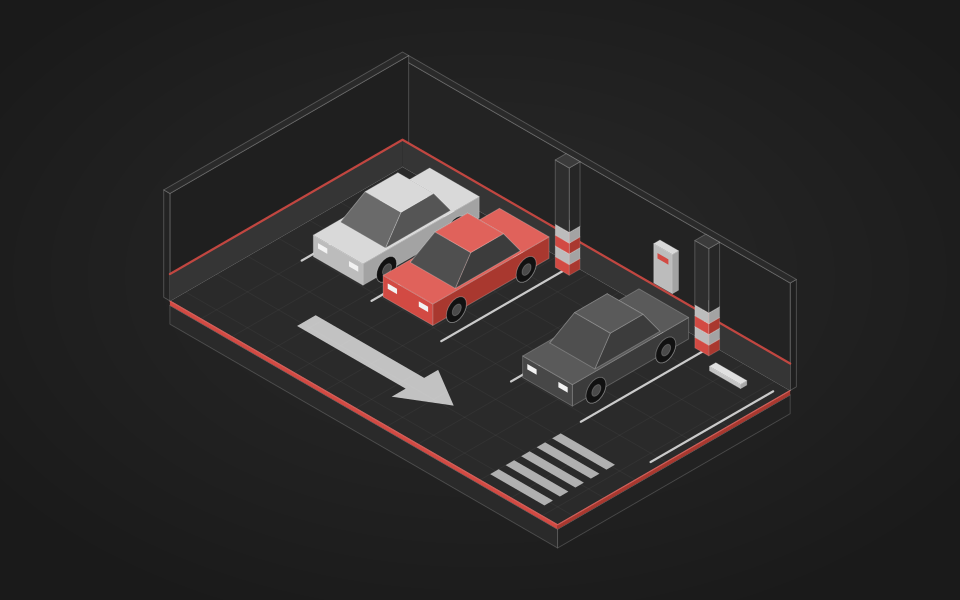
A car park coating has to withstand tyres, petrol and oil, de-icing salts and frost on open levels. The key qualities of Teping® car park systems are resistance to fuels and lubricants and slip resistance.
- ready-made systems
- 12
- coating types
- 4
- Teping® products
- 16
Service conditions
What matters on site
- 01
Fuel and oil resistance
Petrol, oils and other petroleum products must not break down the coating.
- 02
Slip resistance
Ramps and driveways need a rough surface, especially in winter.
- 03
Salt and frost
At entrances and on open levels the coating works at sub-zero temperatures and in contact with salt water.
- 04
Tyre wear
Turning and braking abrade the surface: a hard-wearing topcoat extends service life.
Site zones
Solutions by zone
Different rooms on one site work in different conditions. For each zone, the systems that suit its load, chemicals and temperature.
- 01
Driveways and parking bays
Anti-slip epoxy floors and quartz-reinforced paint that resist fuels and oils; polyurethane cement for the most heavily loaded areas.
- 02
Ramps and unheated levels
Anti-slip polyurethane floor works from −30 °C; a textured coloured quartz coating is suitable outdoors.
- 03
Vehicle workshops and car washes
Coatings that resist water, oils and solutions of salts, acids and alkalis.
- 04
Refurbishing an operating car park
Paint and sealers: they dustproof concrete and go on with minimal downtime.
- 05
Lift lobbies and entrances
Decorative polyurethane floor with flakes that makes dirt and scratches less visible.
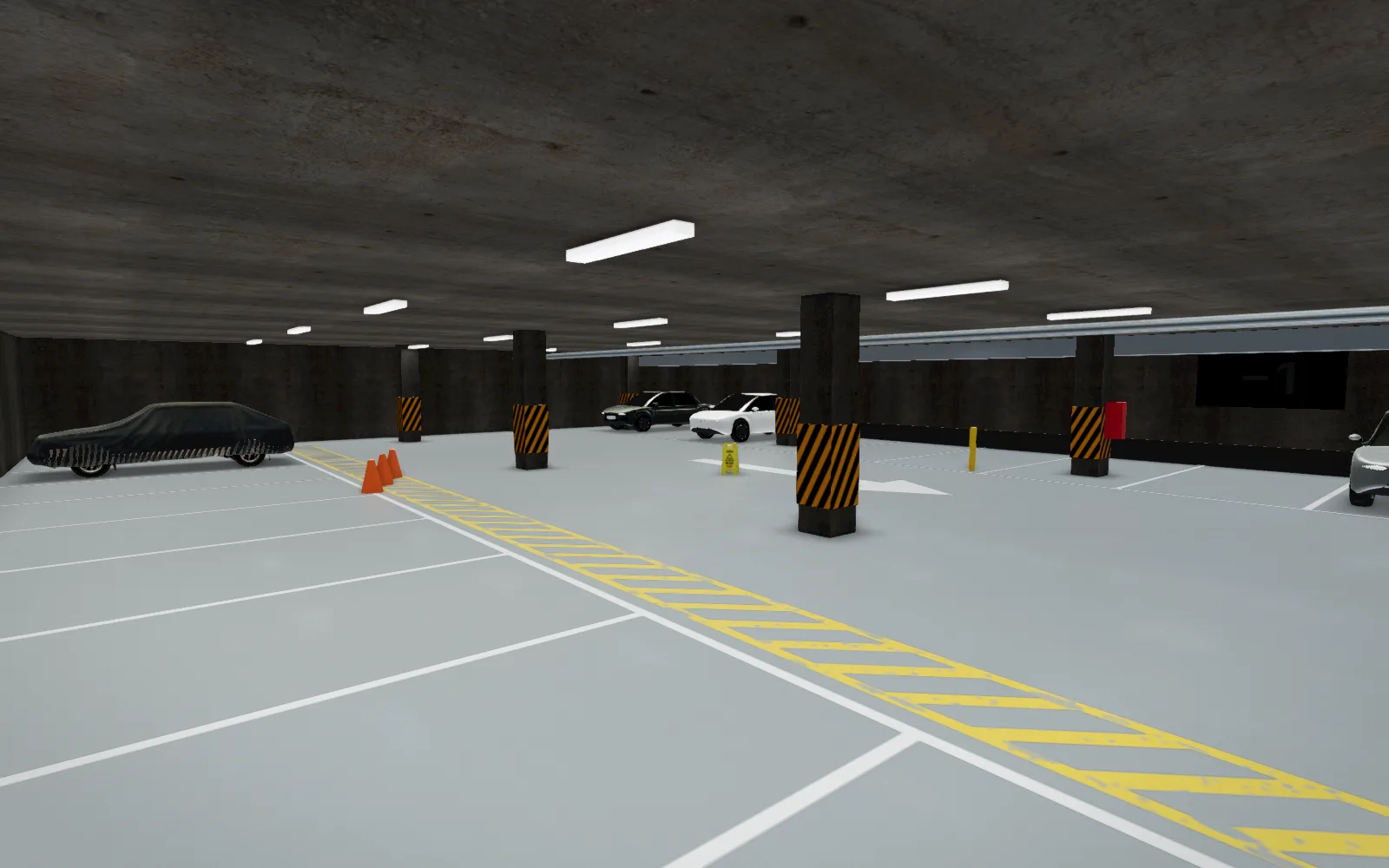
Coating visualiser
See a car park floor in 3D
An underground car park with columns and a ramp. Anti-slip coating, colour and finish, new and after years of use.
Ready-made systems
Systems for this industry
All Teping® coating systems for this type of site. The system name leads to its layer build-up, consumption and substrate requirements.
| System | Thickness | Load | Chemicals and liquids | Service range |
|---|---|---|---|---|
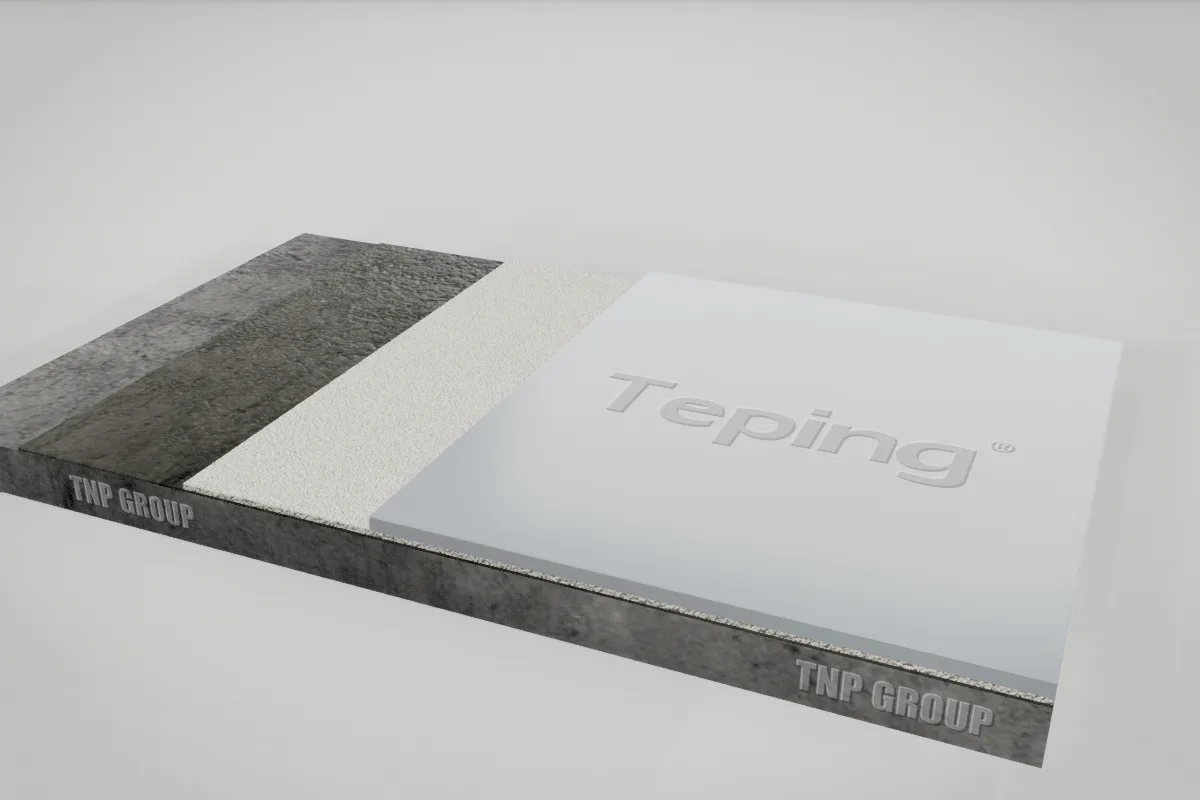 1.1 Smooth epoxy self-levelling floor, 2 mm 1.1 Smooth epoxy self-levelling floor, 2 mm |
2 mm | Moderate to significant: foot traffic, trolleys and forklifts on rubber tyres | Water, fuels and oils, weak solutions of salts, acids and alkalis | −20 to +60 °C |
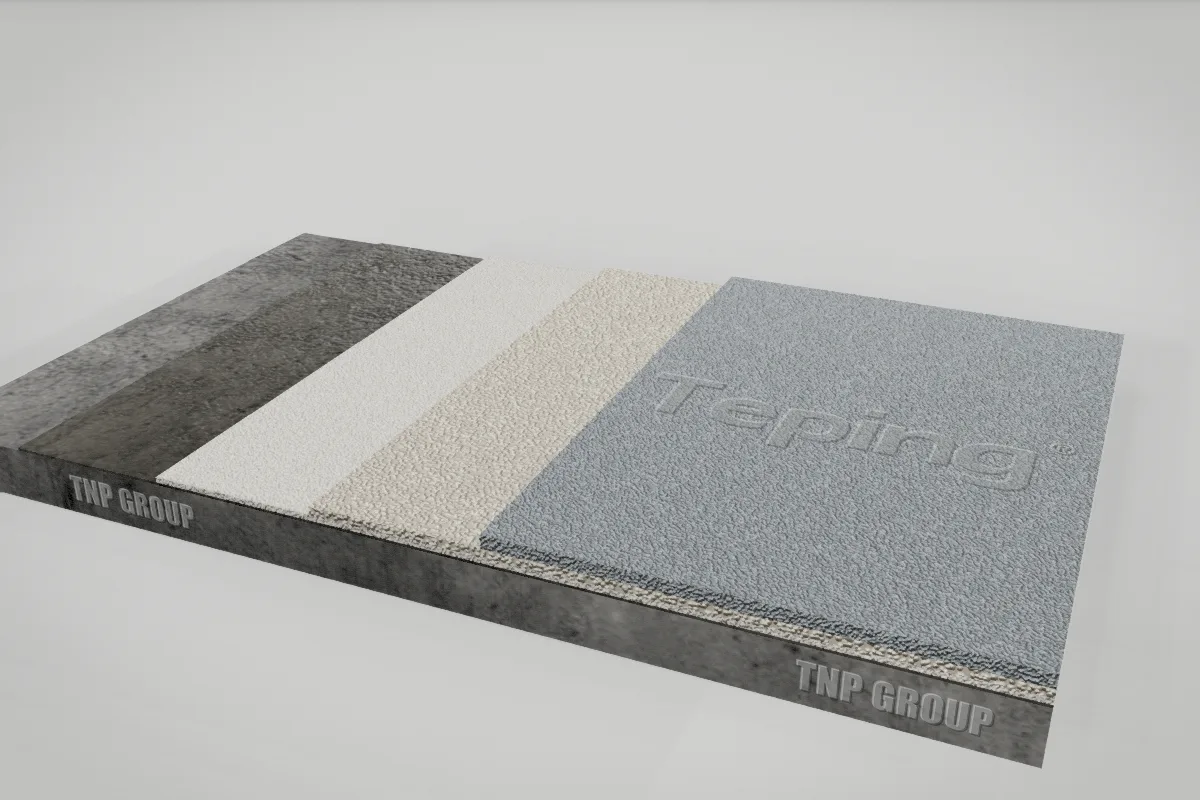 1.2 Anti-slip epoxy floor, 2–2.5 mm 1.2 Anti-slip epoxy floor, 2–2.5 mm |
2–2.5 mm | Significant: intensive traffic on rubber tyres | Water, fuels and oils, weak solutions of salts, acids and alkalis | −20 to +60 °C |
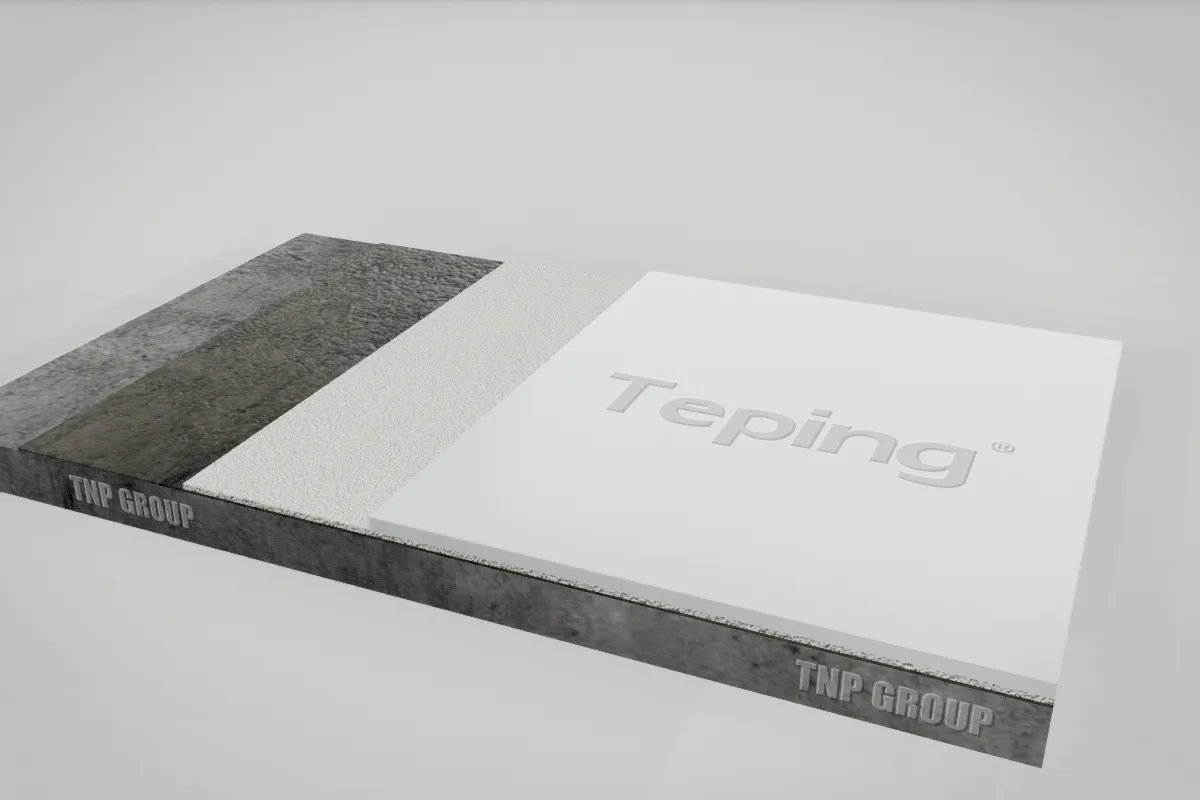 2.1 Smooth polyurethane self-levelling floor, 2 mm 2.1 Smooth polyurethane self-levelling floor, 2 mm |
2 mm | Moderate to significant: foot traffic, trolleys and forklifts on rubber tyres | Water, fuels and oils, weak solutions of salts, acids and alkalis | −30 to +50 °C |
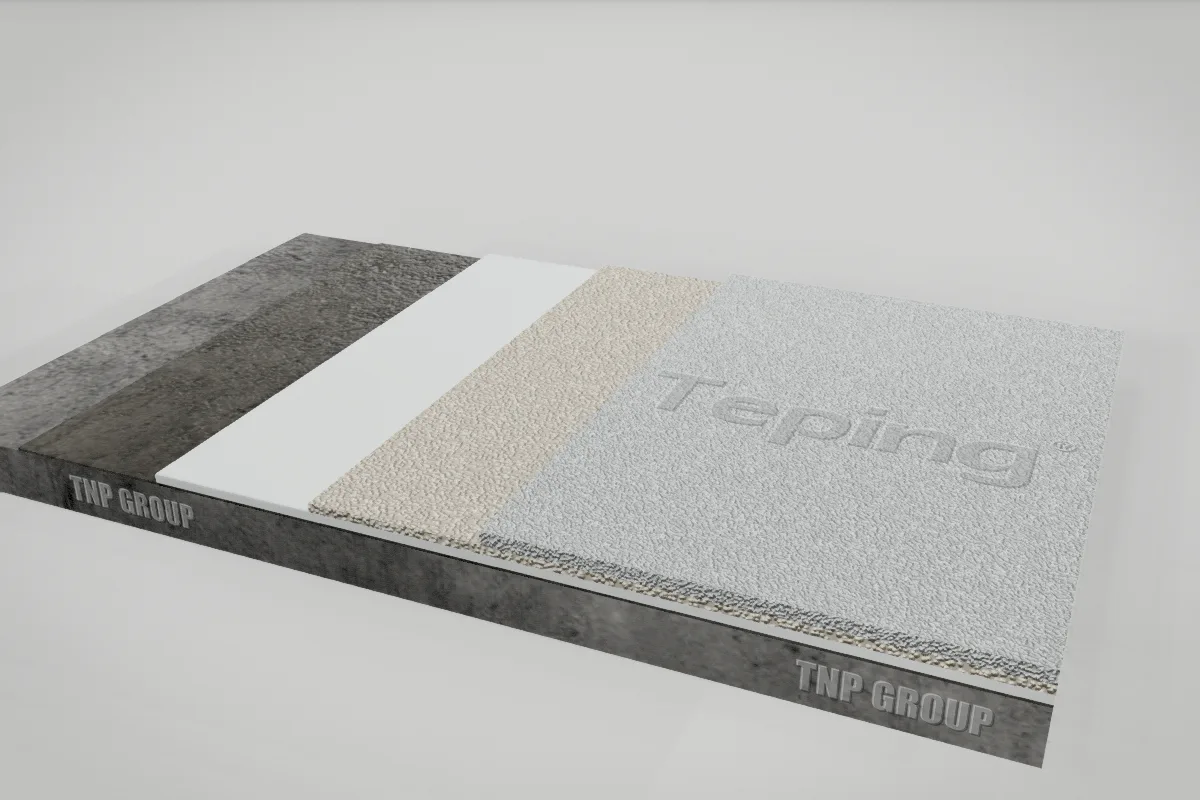 2.2 Anti-slip polyurethane floor, 2 mm 2.2 Anti-slip polyurethane floor, 2 mm |
2 mm | Significant: intensive traffic on rubber tyres | Water, fuels and oils, weak solutions of salts, acids and alkalis | −30 to +50 °C |
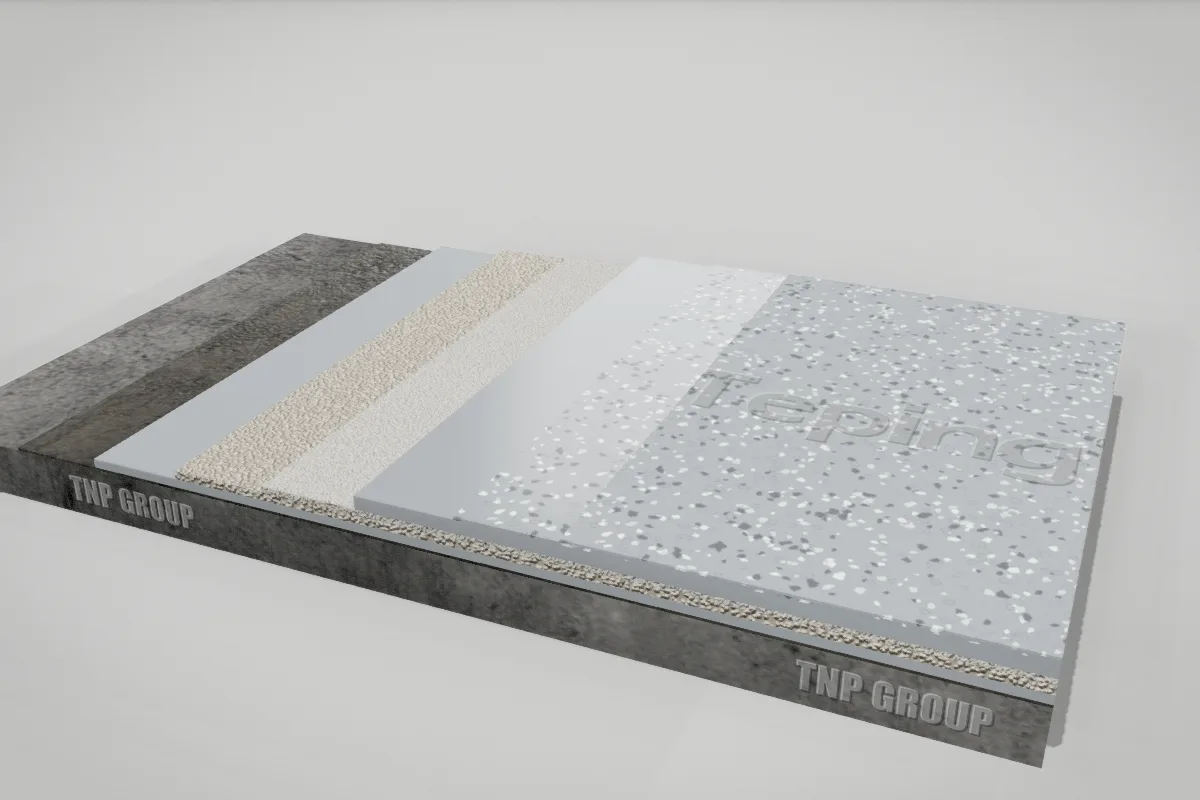 2.4 Polyurethane floor with flakes and varnish, 3 mm 2.4 Polyurethane floor with flakes and varnish, 3 mm |
3 mm | Significant: intensive traffic on rubber tyres | Water, fuels and oils, weak solutions of salts, acids and alkalis | −30 to +50 °C |
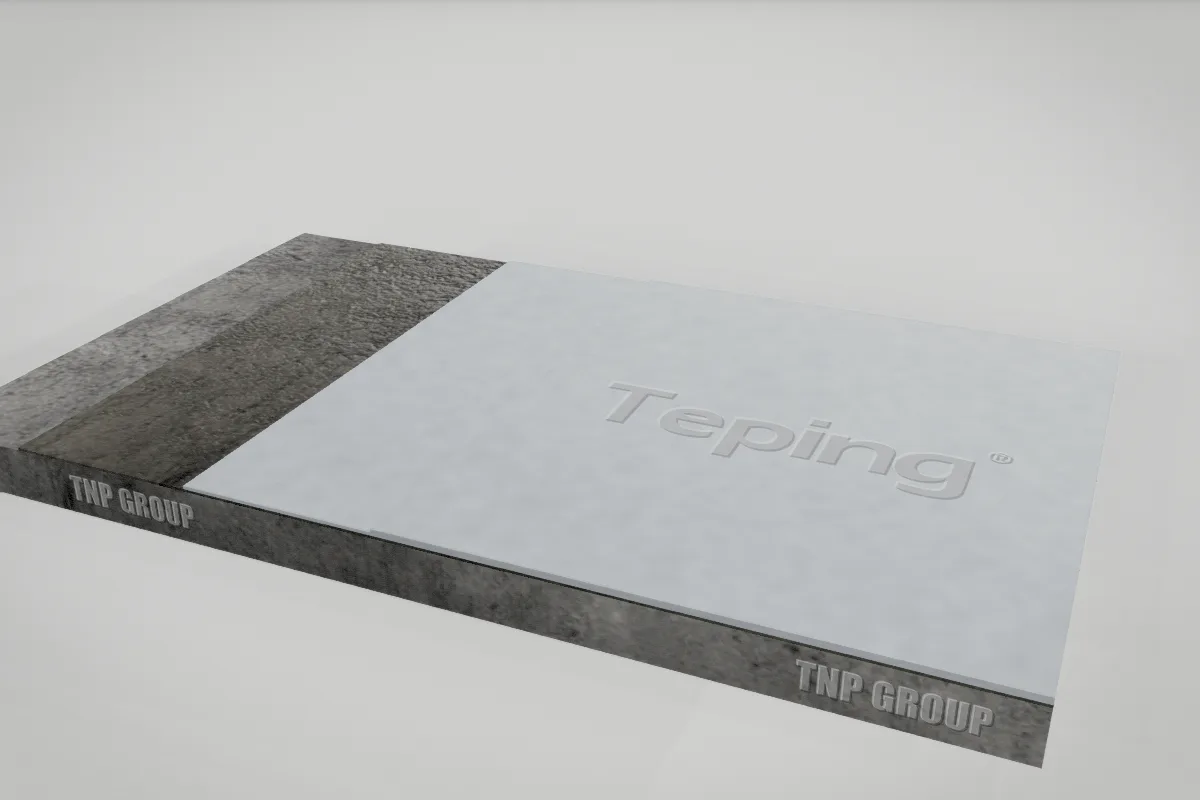 3.1 Three-coat epoxy floor paint 3.1 Three-coat epoxy floor paint |
up to 0.3 mm | Light to moderate: foot traffic, vehicles on rubber tyres | Water, fuels and oils, weak solutions of salts, acids and alkalis | −20 to +60 °C |
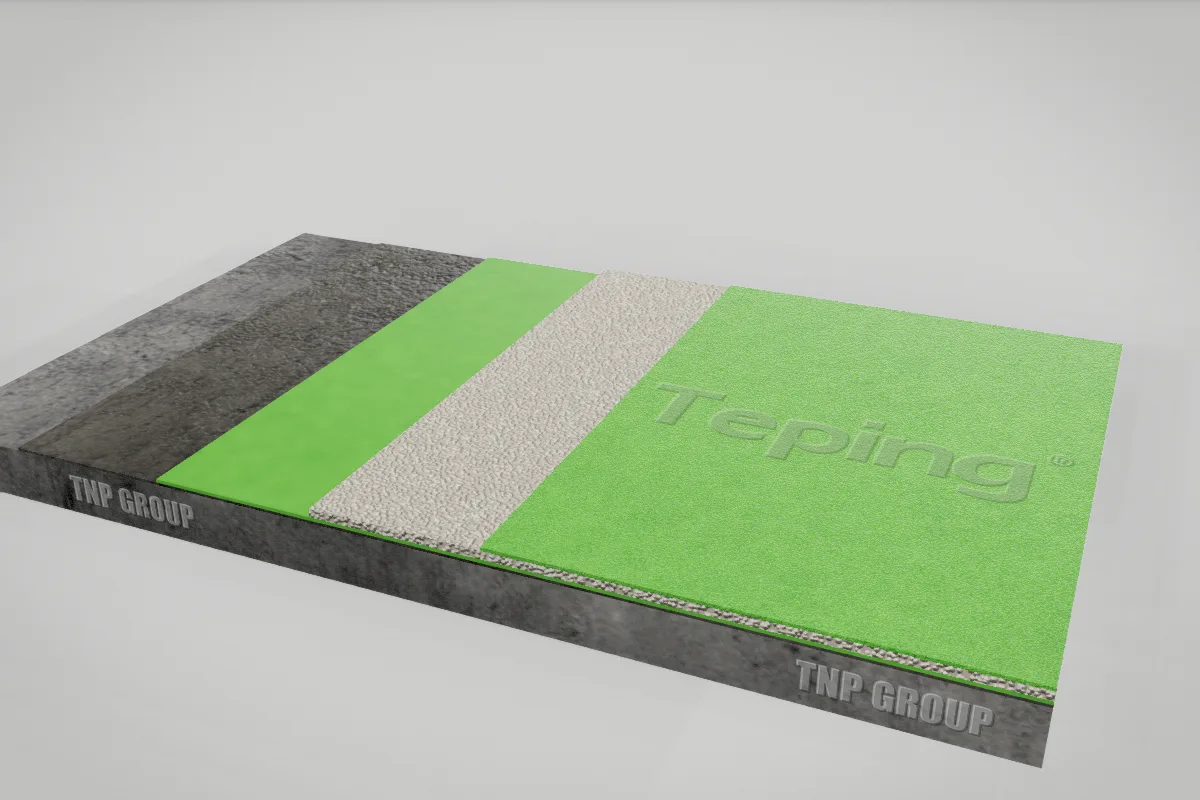 3.2 Anti-slip epoxy floor paint 3.2 Anti-slip epoxy floor paint |
thin coat | Light to moderate: foot traffic, vehicles on rubber tyres | Water, fuels and oils, weak solutions of salts, acids and alkalis | −20 to +60 °C |
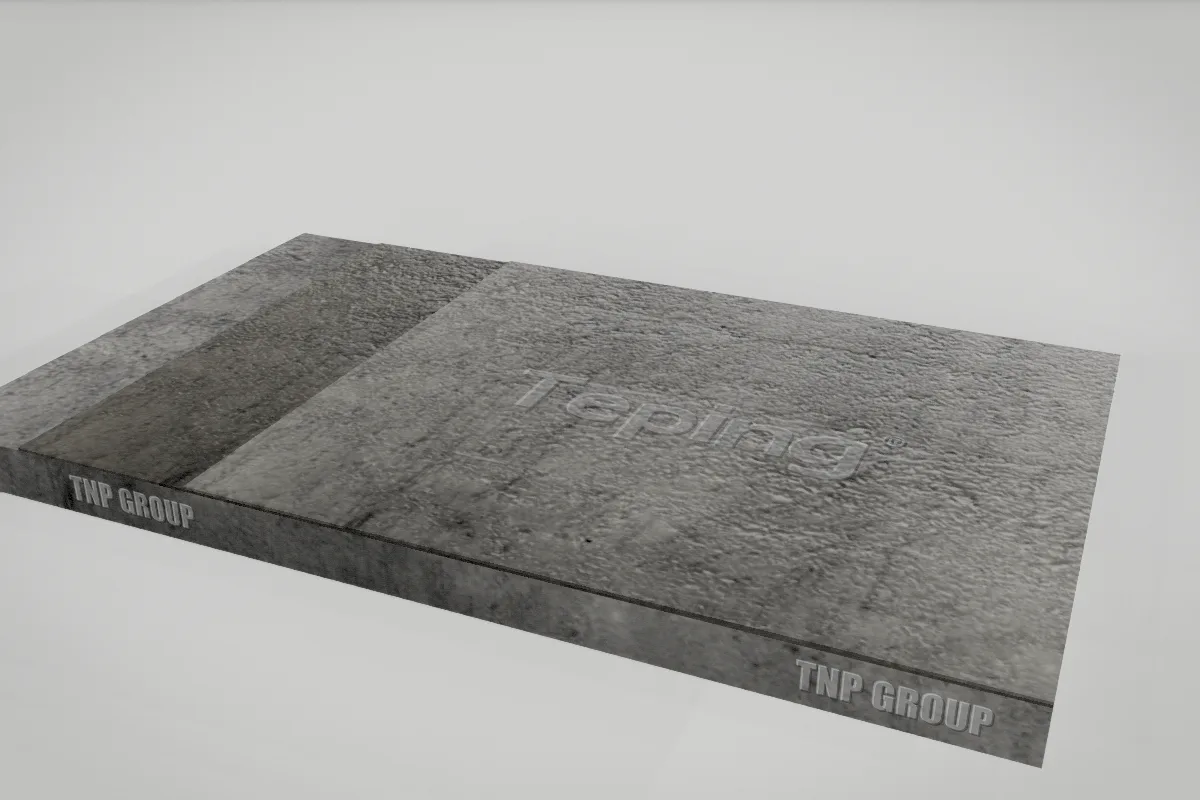 3.6 Two-coat epoxy sealer 3.6 Two-coat epoxy sealer |
thin coat | Light to moderate: foot traffic, vehicles on rubber tyres | Water, fuels and oils, weak solutions of salts, acids and alkalis | −30 to +60 °C |
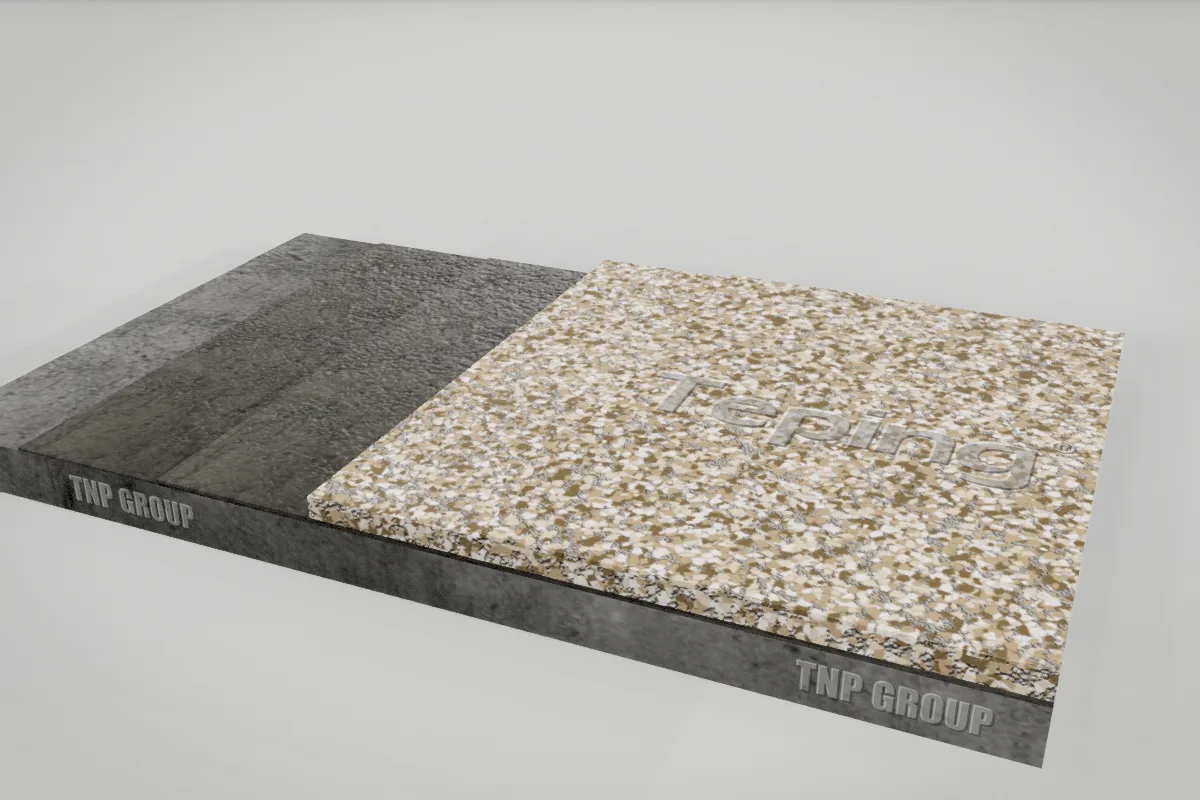 3.7 Textured coloured quartz coating, 4–10 mm 3.7 Textured coloured quartz coating, 4–10 mm |
4–10 mm | Light to moderate: foot traffic, vehicles on rubber tyres | Water, fuels and oils, weak solutions of salts, acids and alkalis | −30 to +60 °C |
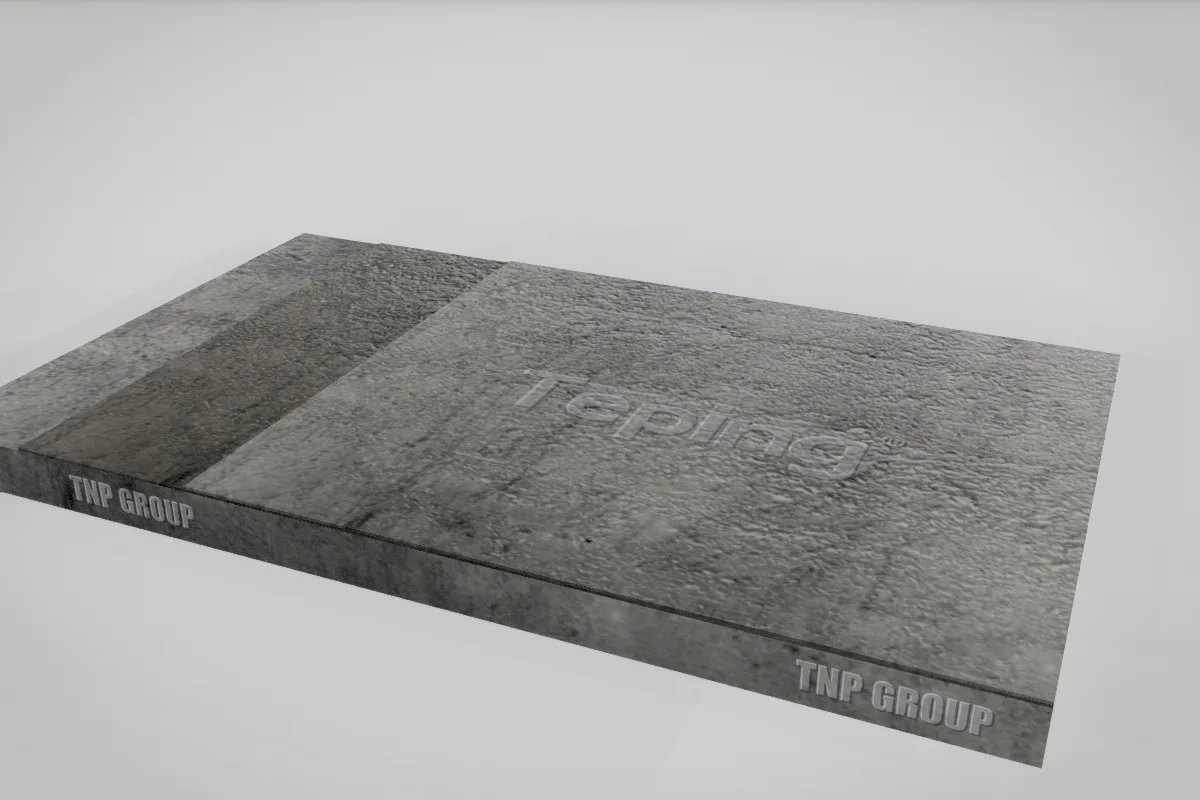 3.8 Polyurethane sealer 3.8 Polyurethane sealer |
thin coat | Light to moderate: foot traffic, vehicles on rubber tyres | Water, fuels and oils, weak solutions of salts, acids and alkalis | −30 to +70 °C |
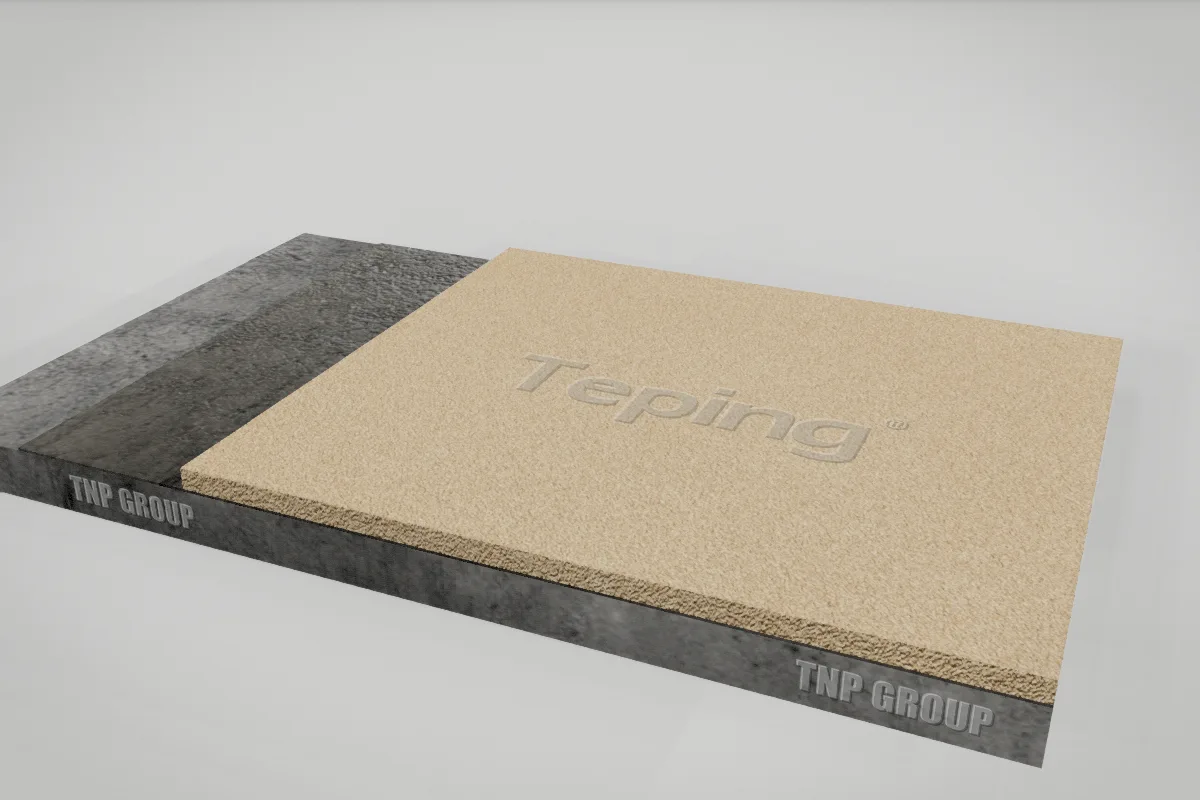 4.1 Self-levelling polyurethane-cement floor, 4–6 mm 4.1 Self-levelling polyurethane-cement floor, 4–6 mm |
4–6 mm | Significant: intensive traffic on rubber tyres | Acids, alkalis, solvents and cleaning with hot water or steam | −40 to +80 °C |
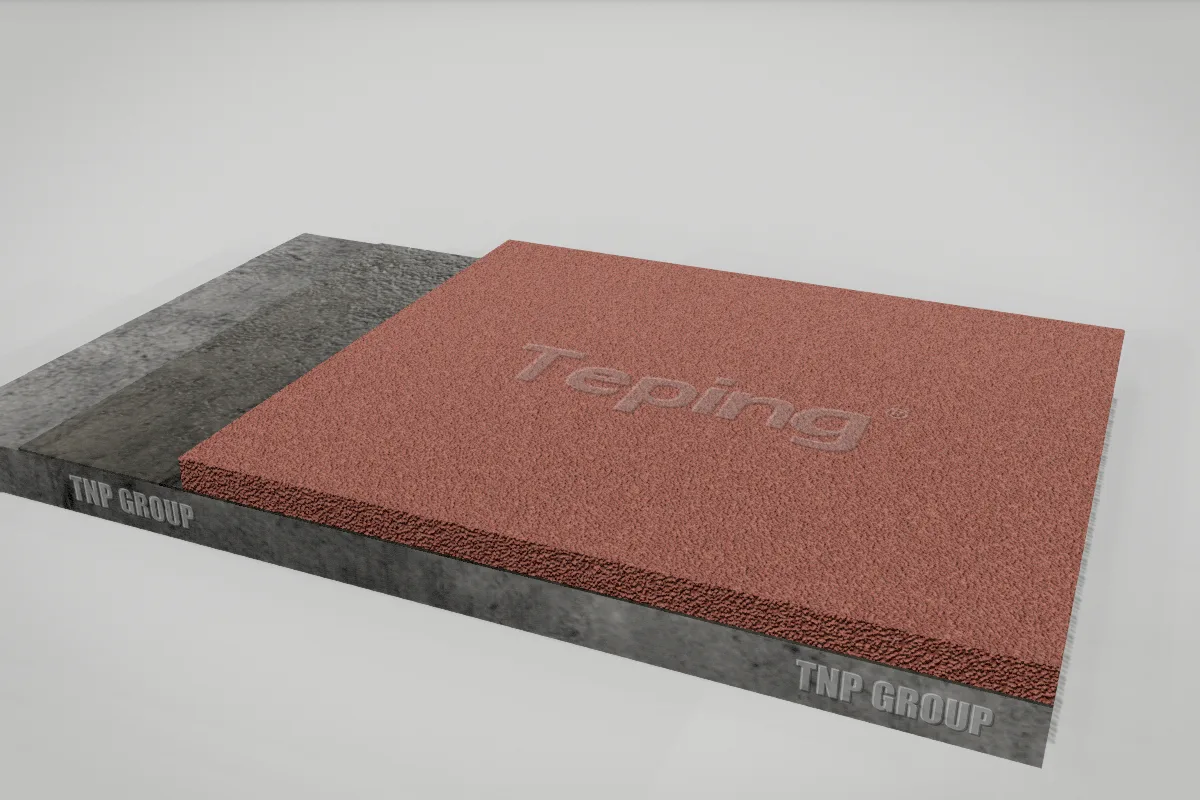 4.2 Heavy-duty polyurethane-cement floor, 6–10 mm 4.2 Heavy-duty polyurethane-cement floor, 6–10 mm |
6–10 mm | Very significant: including vehicles on metal wheels with polymer rims | Acids, alkalis, solvents and cleaning with hot water or steam | −30 to +80 °C |
Teping® products
What the systems are made of
Products used in the systems for this industry. System numbers are listed under each name; the product card opens in the catalogue.
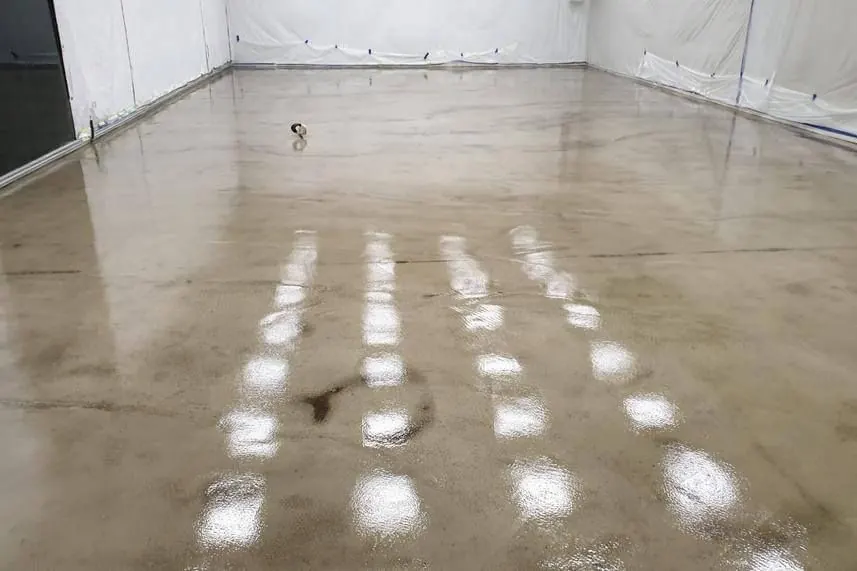 Teping R 1155 Primer 1001.1 · 1.2 · 2.1 · 2.2 · 2.4 · 3.1 · 3.2 · 3.6 · 3.7
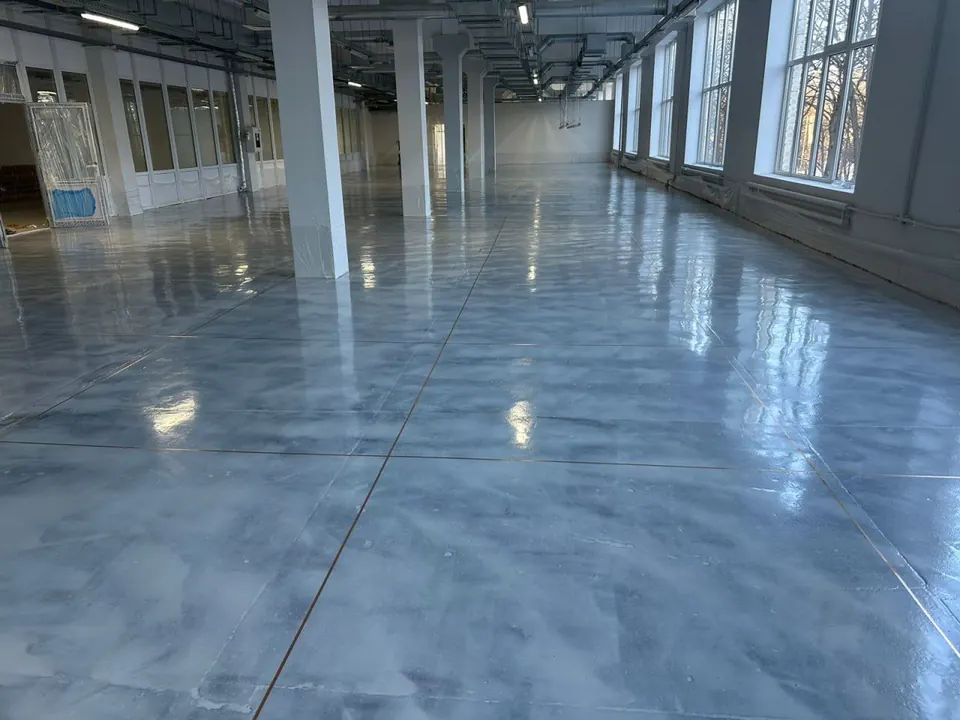 Teping Floor 205 Filler1.1 · 1.2 · 2.1
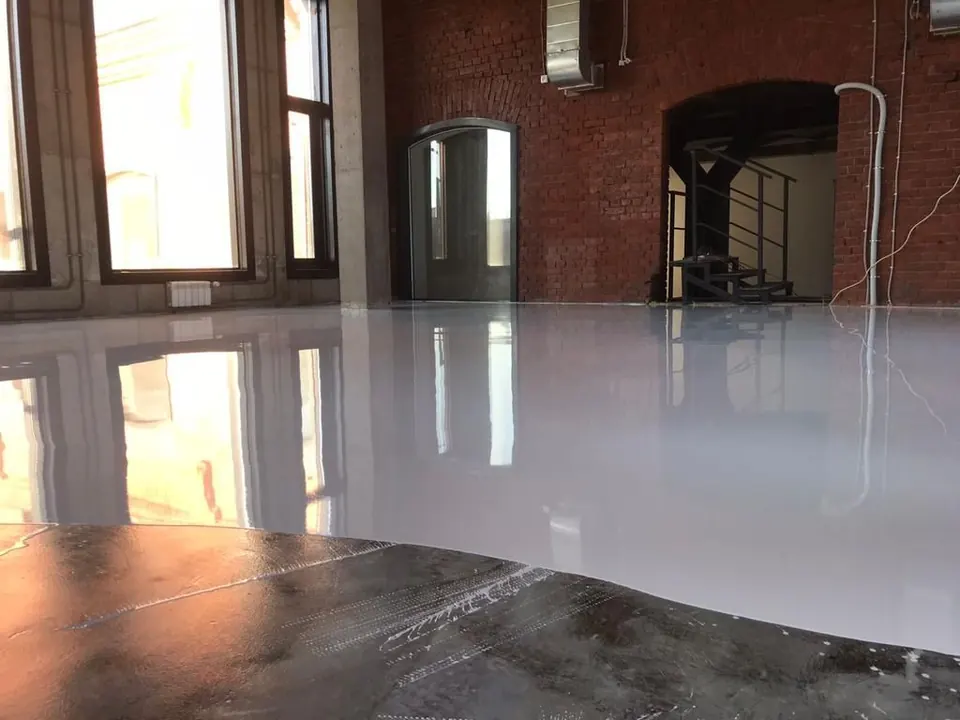 Teping Floor 205 C1.1 · 1.2
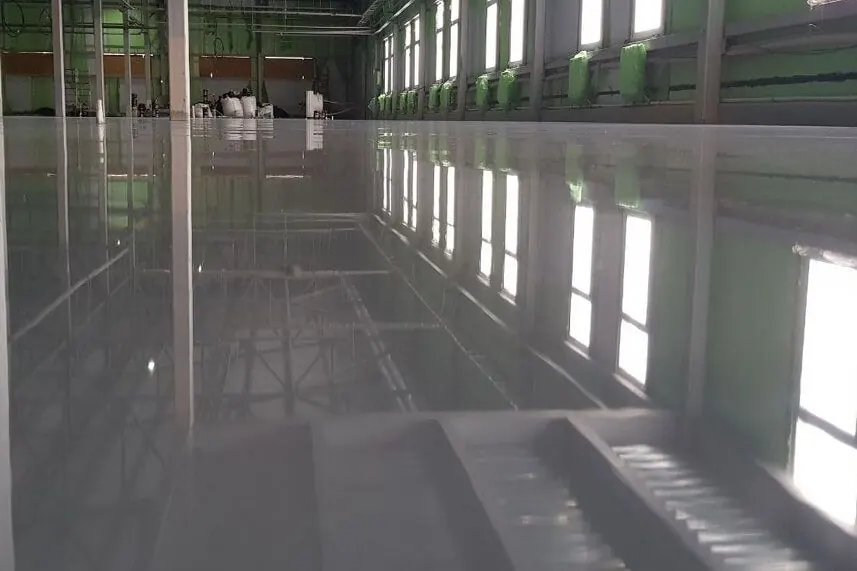 Teping Floor 205 Industrial1.1 · 1.2
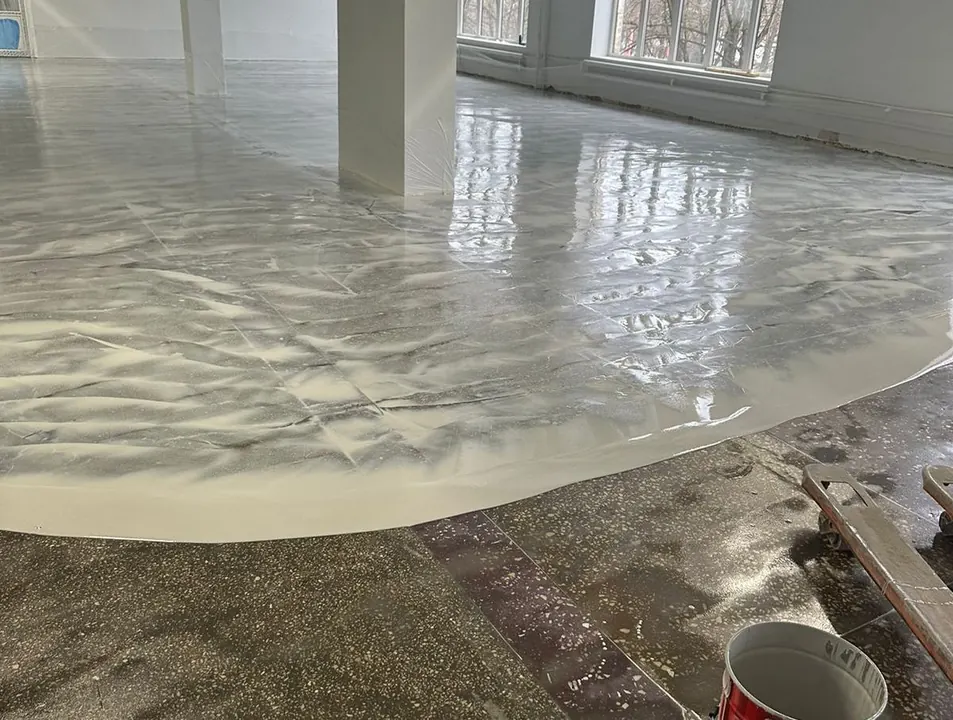 Teping Floor 205 PU Filler2.1 · 2.2 · 2.4
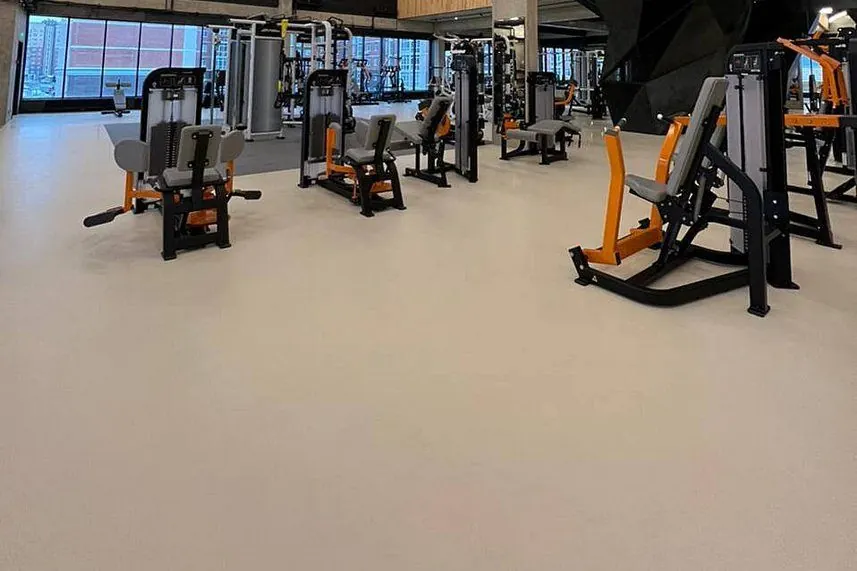 Teping Floor 205 PU S2.1 · 2.2 · 2.4
 Teping Floor 205 PU Industrial2.1
 Teping Floor 205 PU Varnish Matt2.4
 Teping R 11553.1 · 3.2
 Teping Floor 205 Clear 3D3.7
 Teping PU Primer 1K3.8
 Teping PU-C Primer4.1 · 4.2
 Teping PU-C SL4.1
 Teping PU-C HF4.2
More for this site
Products from the tnpgroup.ru catalogue used on such sites beyond flooring.
Projects
Where Teping® coatings are already at work
A few sites from the TNP Group reference list: area, city and the work carried out.
- 16,000 m²Service vehicle car park
- 10,000 m²Residential car park
- 4,000 m²Bus depot
- 3,000 m²Heavy machinery service centre
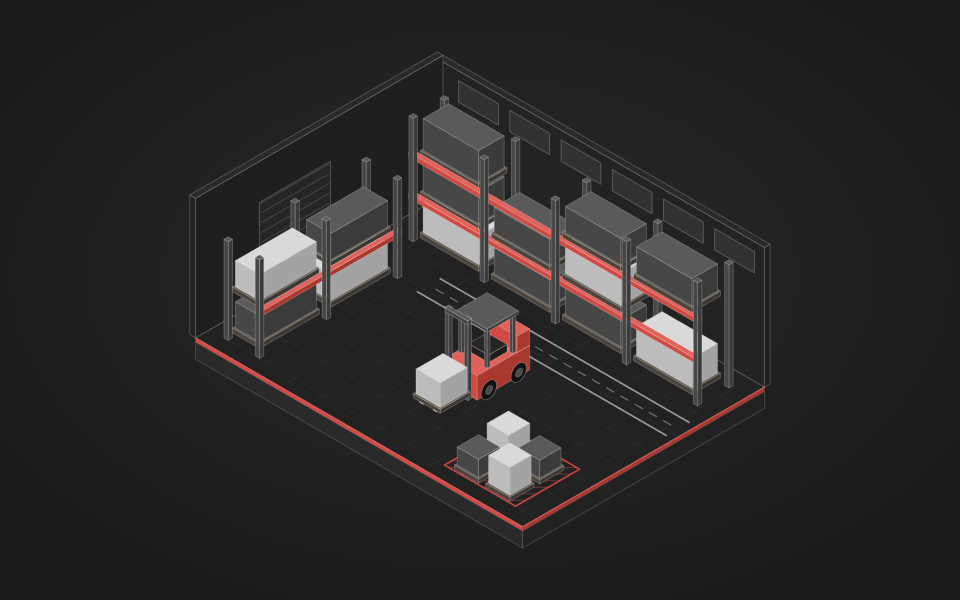 01Warehouses and logisticsForklift aisles, racking areas, ramps and cold stores.
Systems: 14Open
01Warehouses and logisticsForklift aisles, racking areas, ramps and cold stores.
Systems: 14Open
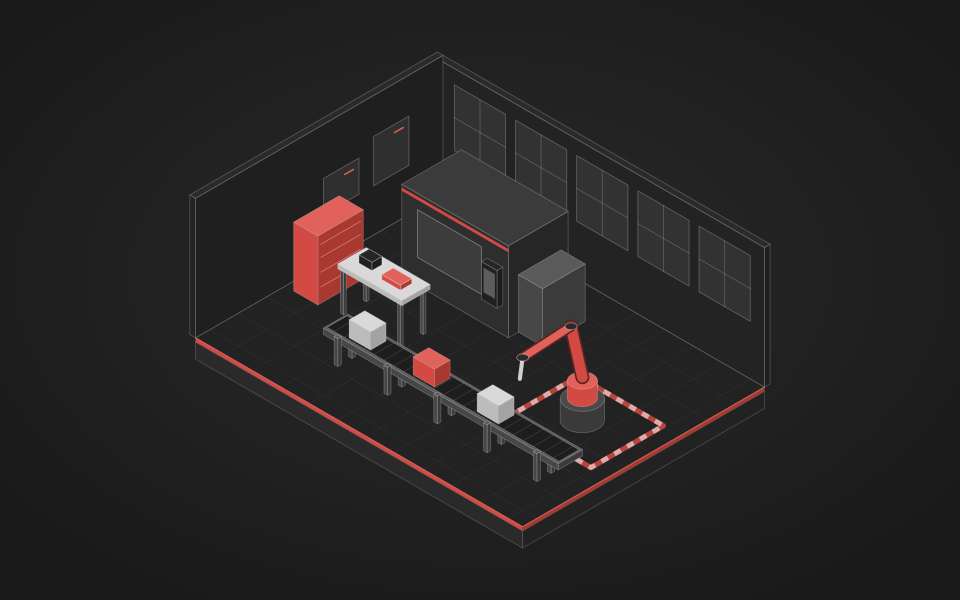 02Production and workshopsProduction halls, areas with chemicals and impact, antistatic zones and ancillary rooms.
Systems: 15Open
02Production and workshopsProduction halls, areas with chemicals and impact, antistatic zones and ancillary rooms.
Systems: 15Open
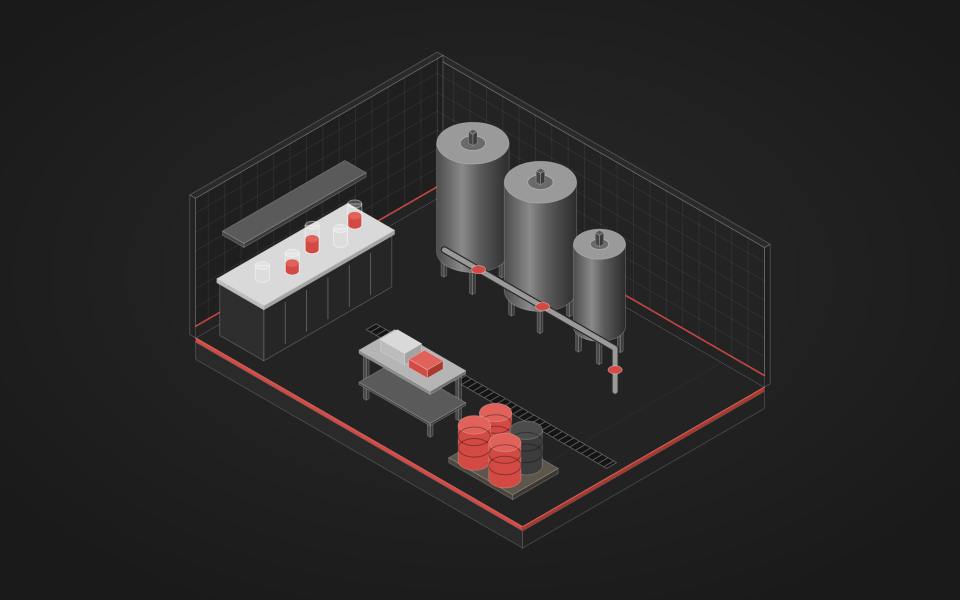 03Food and chemical plants, laboratoriesHot washdown, acids and alkalis, wet floors and clean rooms.
Systems: 7Open
03Food and chemical plants, laboratoriesHot washdown, acids and alkalis, wet floors and clean rooms.
Systems: 7Open
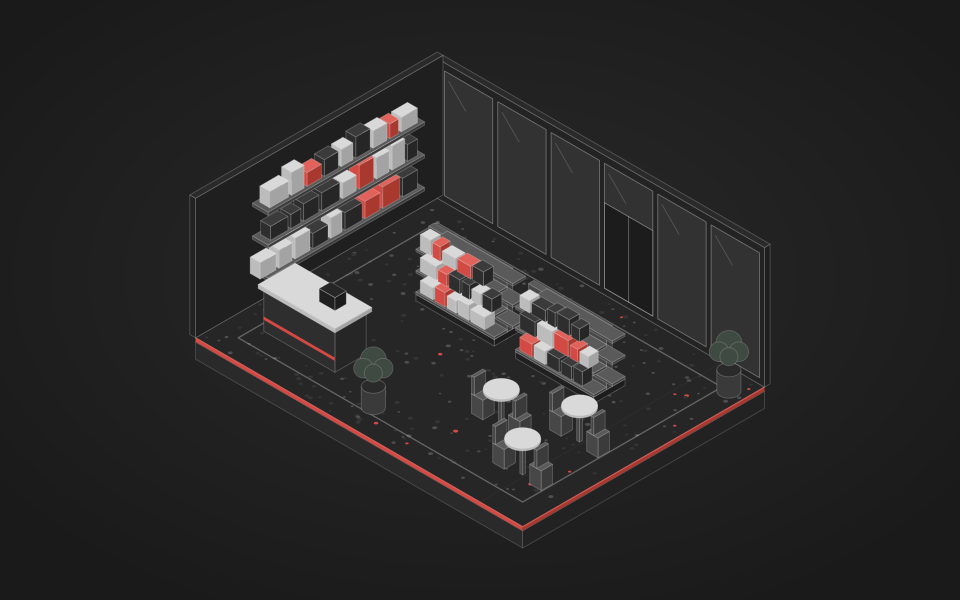 05Retail and public buildingsSales floors, educational buildings, healthcare, cafés and exhibitions.
Systems: 14Open
05Retail and public buildingsSales floors, educational buildings, healthcare, cafés and exhibitions.
Systems: 14Open
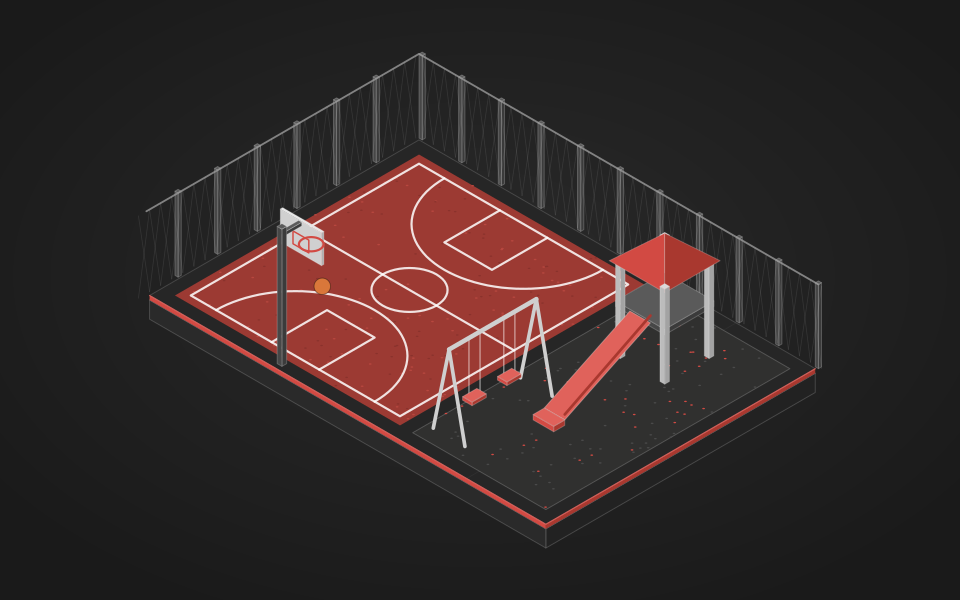 06Sports and playgroundsSports halls, outdoor sports grounds, playgrounds and ice rinks.
Systems: 4Open
06Sports and playgroundsSports halls, outdoor sports grounds, playgrounds and ice rinks.
Systems: 4Open Systems and applications are based on the TNP technical solutions album 2025 and the 2025 industry albums (warehouses, production, car parks, educational buildings, sports facilities). Products and their names follow the tnpgroup.ru catalogue.
Tell us about your site
Describe the site, loads and timescale: a technologist will select a coating system and calculate the quantities.