01Start with the conditions
Before comparing products, write down what the floor will face. These answers decide the type of coating more than price or colour.
- Traffic: people only, rubber-wheeled trucks, or steel-wheeled and tracked machinery.
- Spills: water, oil and fuel, detergents, acids and alkalis.
- Temperature: a stable heated room, frost, sharp swings, hot water or steam cleaning.
- Substrate: sound and dry, damp, or prone to cracking and vibration.
- Look and downtime: decorative gloss, matt or rough finish; how many days the room can be closed.
02Epoxy self-levelling floors: hard and chemical-resistant
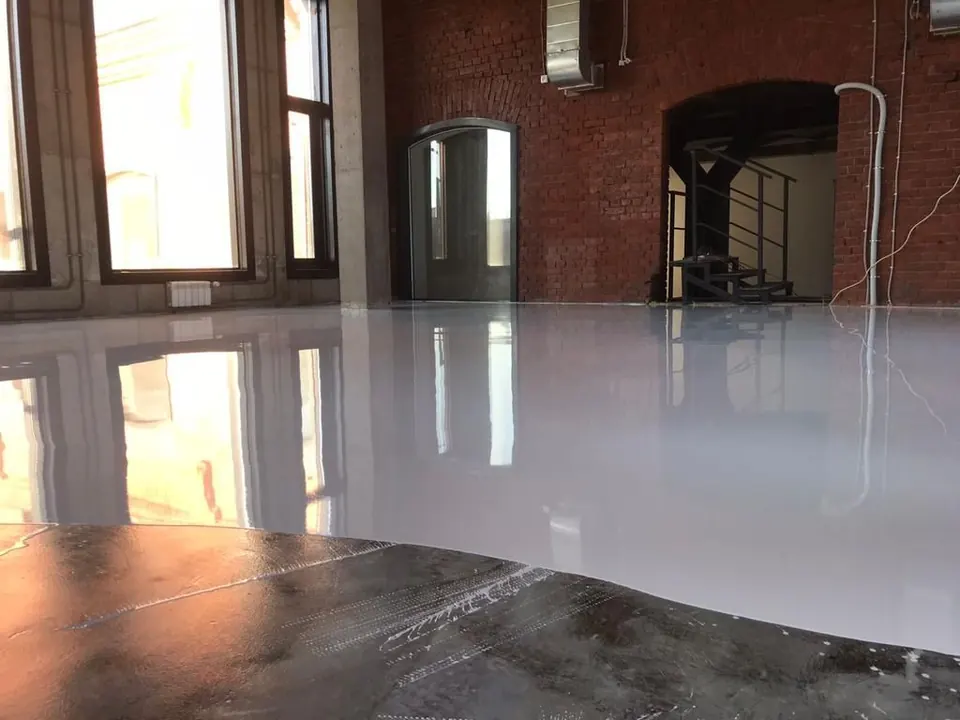
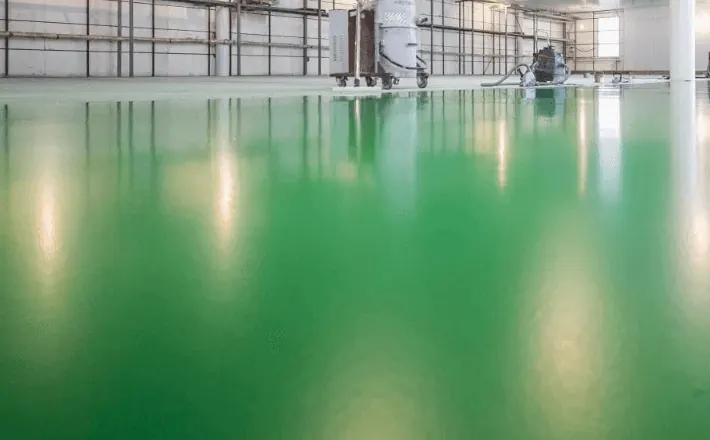
Epoxy floors are 1.5 to 5 mm thick and are chosen where maximum wear and chemical resistance matter. They work indoors at a stable temperature. Epoxy is harder and stronger than polyurethane but less elastic, so sharp temperature swings can crack it.
Teping Floor 205 C is the decorative finish, Teping Floor 205 Industrial is quartz-filled for industrial loads, Teping Floor 205 CR resists acids and solvents, and Teping Floor 205 AS is antistatic. In sunlight epoxy coatings tend to fade.
03Polyurethane floors: elastic and frost-resistant
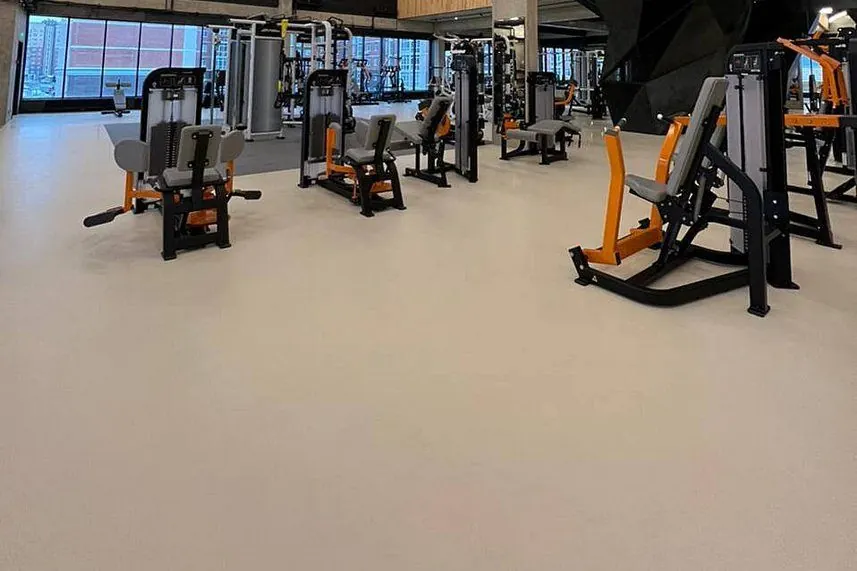
Polyurethane floors differ from epoxy in elasticity and frost resistance. They withstand impact and vibration, temperature swings from frost to heat, and are preferred on substrates prone to cracking. Their chemical resistance is enough for constant spills of fuels, oils and household chemicals, but against aggressive chemicals epoxy is stronger.
Teping Floor 205 PU S is laid 1 to 5 mm thick and also over elastic underlays in sports halls. Polyurethane yellows under UV light, so near windows the finish is protected with Teping Floor 205 PU Varnish Matt, a varnish with UV filters.
04Polyurethane-cement: heat, hot washing and damp substrates
These are three-component coatings of polyurethane resin and a functional cement filler. High heat resistance, adhesion to damp substrates and resistance to acids and alkalis make them the first choice for food production, car parks and car washes.
Teping PU-C SL is self-levelling, at least 4 mm thick, and holds up to +80 °C continuously and +140 °C for short periods. Teping PU-C HF is a heavily filled 6–10 mm screed. With Teping PU-C Primer the substrate may hold 4 to 8 % moisture. The finish is matt with a limited range of colours, and its colour can change under UV light or standing water.
05Paint coatings: the economical option
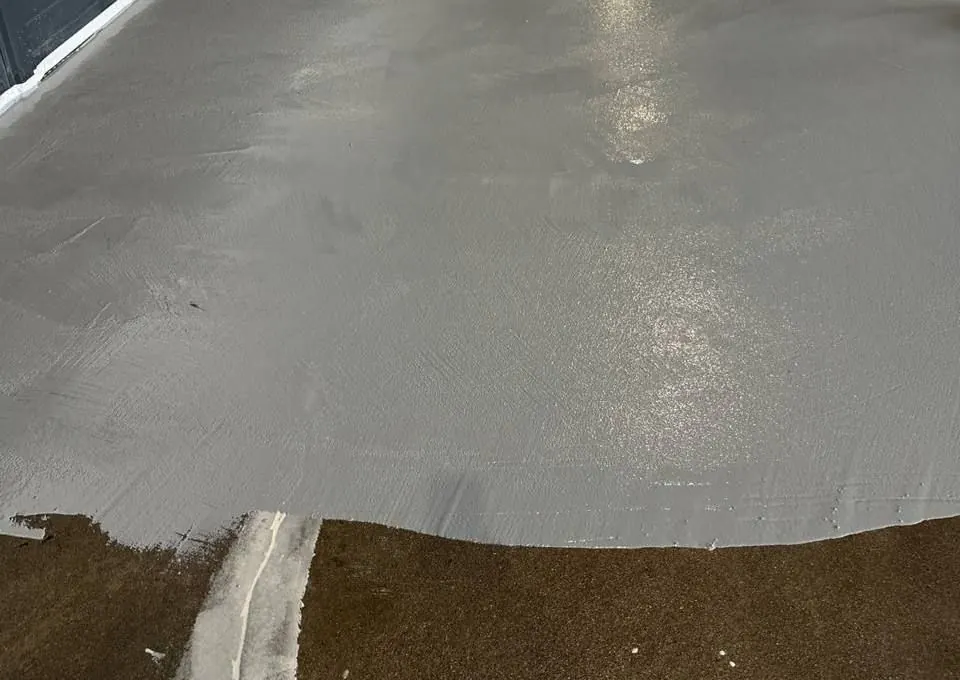
Epoxy and polyurethane paint systems cost less than self-levelling floors. A three-coat paint system is up to about 300 µm thick; with quartz sand in the intermediate coats it reaches 1.5–2 mm and performs close to a poured floor. Paint is easy to repair and quicker to apply.
A thin coat follows the texture of the concrete, so the result depends on how well the substrate was prepared. Teping R 1155 Eco contains no solvent and has no odour, so it can be applied without stopping production.
06Quick comparison
| Epoxy | Polyurethane | PU-cement | Paint | |
|---|---|---|---|---|
| Thickness | 1.5–5 mm | 1–5 mm per pass | 4–10 mm | up to 0.3 mm, 1.5–2 mm with quartz |
| Strongest at | wear, chemicals | impact, vibration, frost | heat, hot washing, acids | budget, quick repairs |
| Substrate moisture | up to 4 % | up to 4 % | up to 8 % with its primer | up to 4 % |
| Typical rooms | production, warehouses, laboratories, shops | unheated warehouses, cold rooms, garages | food plants, car parks, car washes | dust-proofing, live production, stairs |
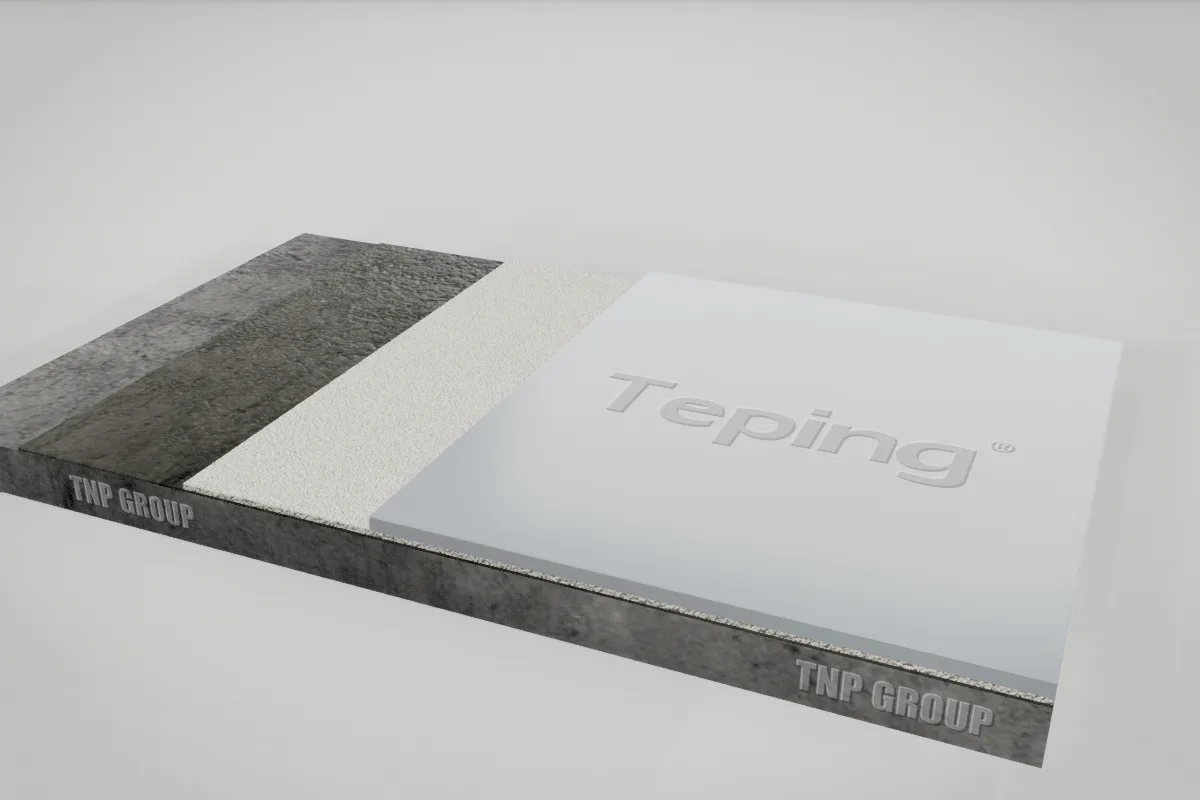
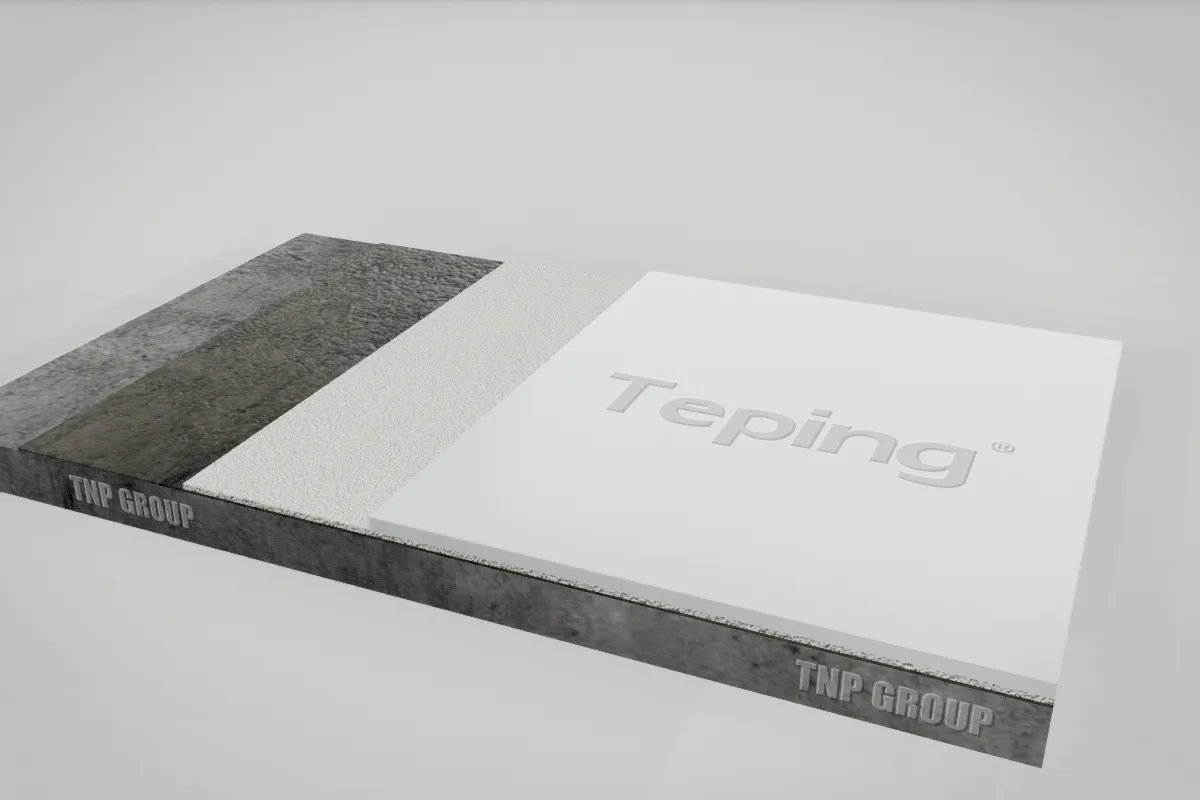
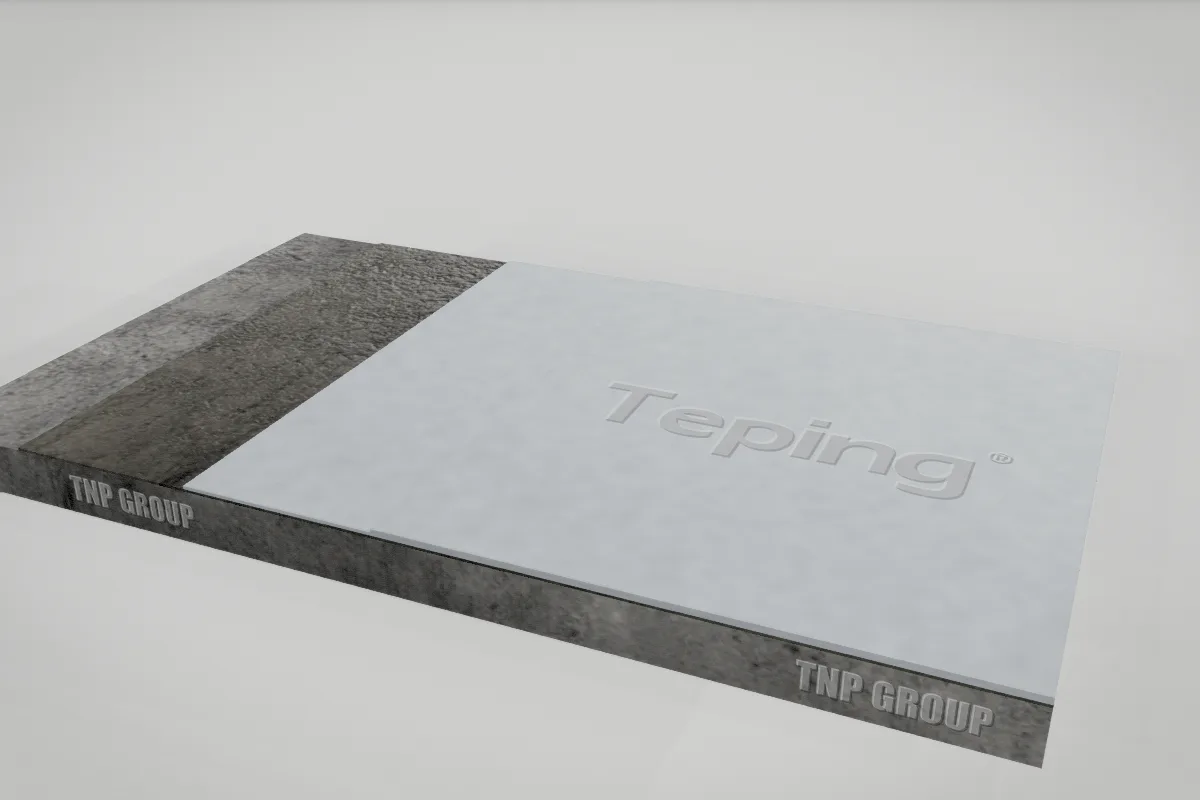
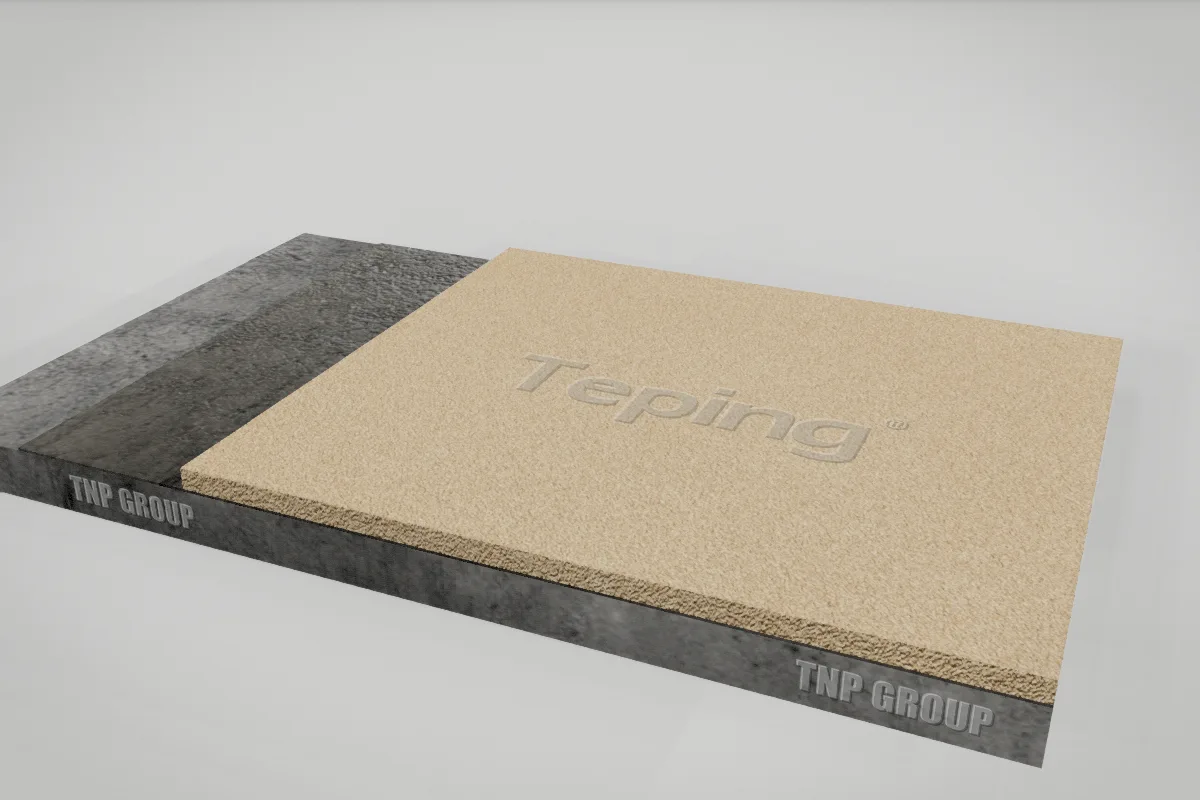
To see full build-ups with consumption per layer, open the systems: smooth epoxy floor, smooth polyurethane floor, PU-cement self-levelling floor and three-coat epoxy paint.
Sources. Based on the instructions and technical data sheets for Teping® products published at tnpgroup.ru and the TNP technical solutions album 2025. Always follow the instruction for the specific product and batch.