Steel is protected by a system of coats, not by a single paint: primer, intermediate coat and topcoat. Choose a Teping® system by corrosivity category and durability, check preparation and application, and write it into the specification.
Penetrating and anticorrosive polyurethane primers with a PUR-Coat Top finish. The primers cure with air moisture and go on in the cold and at high humidity.
Teping EP-Coat Mastic 140 µm + Teping EP-Coat Mastic 140 µm + Teping PUR-Coat Top 80 µm; total DFT 360 µm; C5-VH to ISO 12944-5
Typical system: coat thicknesses and durability to ISO 12944-5
No ready system for these conditions
For category CX, immersion and special conditions we select a system for the site. Write to our technologist.
Environment
Corrosivity categories
ISO 12944-2 rates an environment by how much carbon steel it removes in the first year. The higher the category, the thicker and more robust the system has to be.
Category
Steel loss per year
Example
C1very low
up to 1.3 µm
heated buildings with clean air: offices, shops, schools
C2low
1.3–25 µm
rural areas; unheated depots and sports halls with condensation
C3medium
25–50 µm
urban and industrial atmosphere; food plants and laundries
C4high
50–80 µm
industrial and coastal areas with moderate salinity; chemical plants, pools
C5very high
80–200 µm
industrial areas with high humidity and aggressive air; coasts with high salinity
CXextreme
200–700 µm
offshore with high salinity; tropics and subtropics; extreme humidity
Each coat has its own job: the primer holds adhesion and protects the steel, the intermediate coat builds barrier thickness, the topcoat resists sunlight and weather.
01
Primer
The first coat on prepared steel: cathodic protection with zinc, a zinc phosphate barrier, or a penetrating primer over tightly adhering rust.
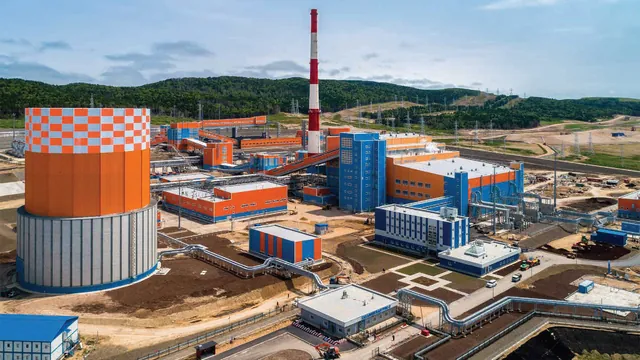
Sectors for which tnpgroup.ru recommends Teping® anticorrosion products, with their typical corrosivity categories.
01
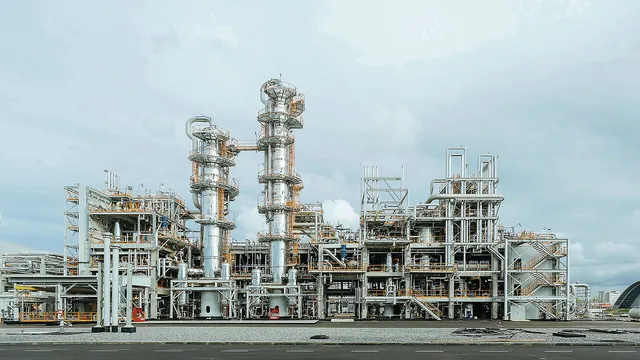
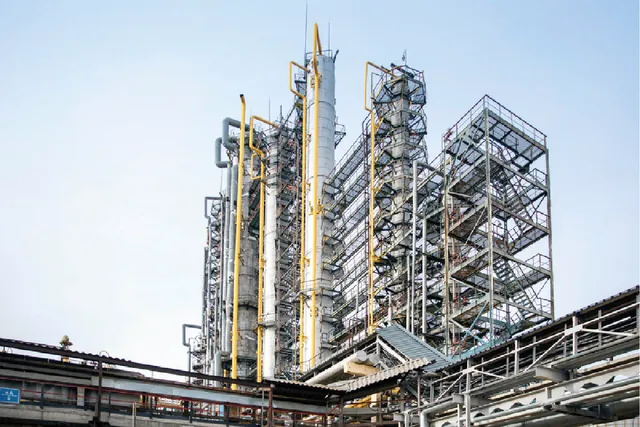
Oil and gas
Tank farms, above-ground pipelines and pipe racks, steelwork of process units and terminals. Petroleum products, temperature swings, marine and industrial air.
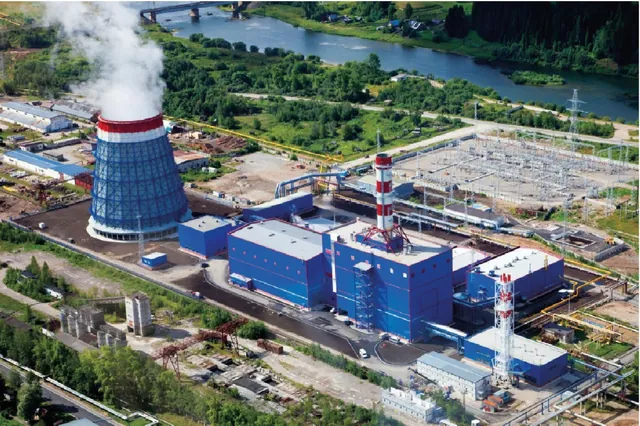
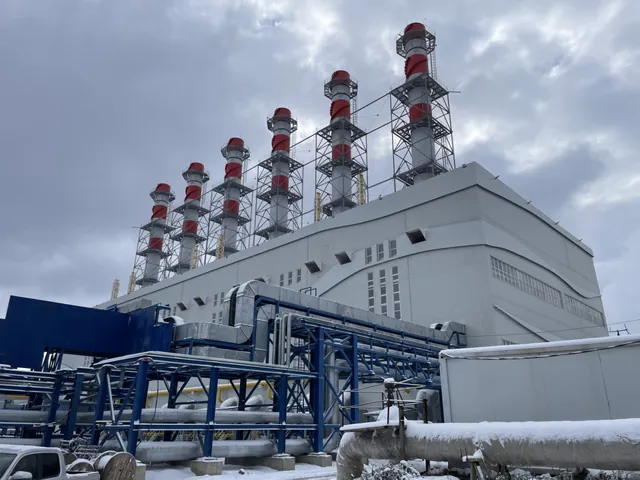
Humidity and condensation, thermal cycling, flue gases and vibration. Main building frames, external flue ducts, portals and supports of outdoor switchgear.
Short answers for designers, contractors and asset owners.
How is a coating system different from a single paint?
A system is a set of compatible coats that together give the required durability: the primer holds adhesion and protects steel, the intermediate coat builds barrier thickness, the topcoat protects against UV and weather. A single paint, even applied thick, usually cannot do all of this.
How do I select a system for my structure?
Define the corrosivity category under ISO 12944-2 and the durability you need, then consider the substrate, the possible preparation and the application conditions. Ready Teping® systems with total thickness and durability are in the selector at the top of this section; for special conditions our technologist selects the system. More in How to choose a protective system.
Is ISO 12944 durability a guarantee?
No. It is a planning figure for the time to first major maintenance. A warranty period is agreed separately in the contract and depends on surface preparation, application and service conditions.
What if the design gives no corrosivity category?
If it gives a degree of aggressiveness under SP 28.13330, it can be converted approximately to an ISO 12944 category. If there is nothing, describe the structure: inside or outside, humidity, distance to the sea, gases and chemicals. Our technologist will define the category and propose a system.
Can one coat be replaced with another maker's product?
Only after a compatibility check. Changing a coat affects adhesion, resistance and the durability of the whole system, so the figures in the technical data sheet no longer apply to such a system.
Can I paint over rust?
Loose rust and flaking mill scale are always removed. Over tightly adhering rust after St 2–St 3 cleaning you can apply Teping EP-Coat Mastic or the penetrating primer Teping PU-Coat Primer RP. For long durability, blast cleaning is more reliable.
Why use a zinc-rich primer?
Zinc in the primer corrodes instead of the steel and protects it cathodically, even where the coating is damaged down to the metal. That is why Teping EP-Coat Primer Zinc goes first in systems for C4–C5 and long durability. It requires blast cleaning to Sa 2½.
Can coatings be applied in winter?
Yes, within the TDS. Teping® epoxy products may be applied down to −10 °C, while the polyurethane primers and Teping PU-Coat Top cure with air moisture and work at high humidity. What matters is steel free of frost and ice, 3 °C warmer than the dew point, and paint kept warm before use.
How is coating thickness checked?
The painter checks the wet film with a comb gauge during application and the dry film with a gauge after drying, by the ISO 19840 80/20 rule: the mean not below nominal, no reading below 80 % of nominal. More in Application and quality control.
Can galvanized steel be painted?
Yes, this is a duplex system: zinc and coating together last longer than either alone. The surface is cleaned of zinc salts and grease and, for long durability, roughened by light sweep blasting. Agree the system for galvanizing with our technologist.
Is it better to apply the system in the shop or on site?
Preparation, temperature and thickness are easier to control in the shop, so the primer and intermediate coat are best applied there: Teping EP-Coat Primer suits shop application. On site, transport and welding damage is repaired and the topcoat applied.
How is a coating repaired?
Inspect the coating regularly and repair locally before rust creeps under the film: clean to St 3, apply primer or Teping EP-Coat Mastic and a topcoat with an overlap onto the sound coating. Timely repair extends the time to major maintenance.
How does SP 28 differ from ISO 12944?
SP 28.13330 is the Russian code for building structures: it sets the degree of aggressiveness of the environment and the protection requirements. ISO 12944 (GOST 34667) classifies the environment into categories C1–CX and links them with system durability. Designs often use both: the degree of aggressiveness under SP 28 and the system under ISO 12944.
Which product documents are available?
Technical data sheets and application instructions are open on the product pages. The safety data sheet (SDS) is provided on request, as are certificates and registration documents.
Let us protect your structure
Send the corrosivity category, durability and area — a TNP technologist will select a Teping® system, coat thicknesses and consumption.